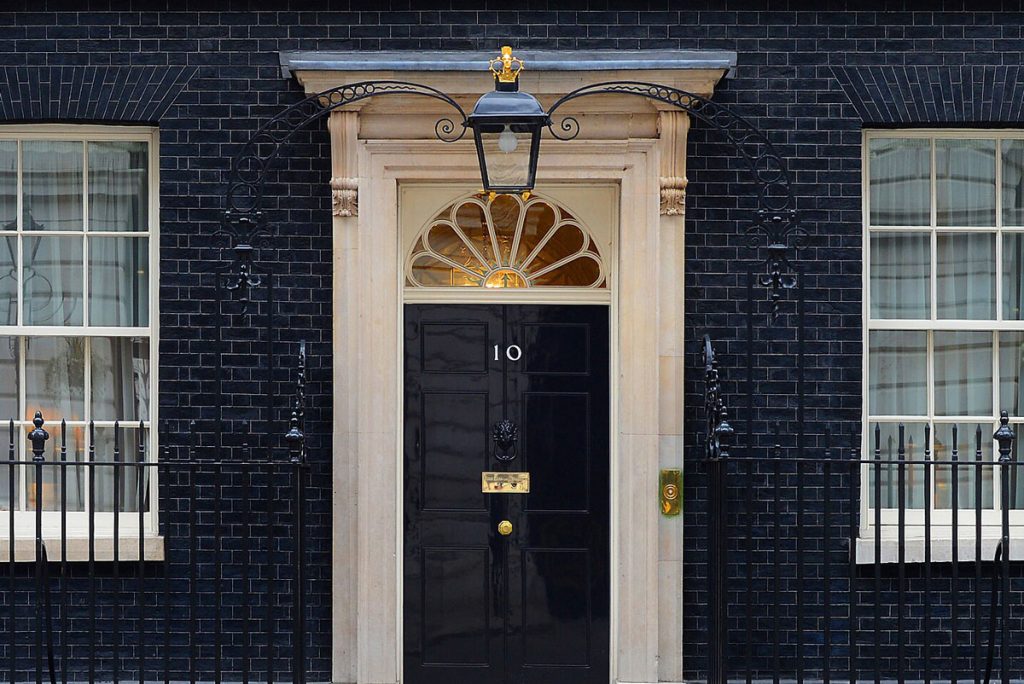
The United Kingdom is on the brink of appointing its seventh prime minister in just ten years, following Keir Starmer’s resignation announcement on 22 June 2026.
Since David Cameron stepped down in the wake of the 2016 Brexit referendum, the country has cycled through Theresa May, Boris Johnson, Liz Truss, Rishi Sunak, and now Starmer, with an average tenure of roughly 18–20 months. This pace stands in stark contrast to earlier eras, when leaders like Margaret Thatcher or Tony Blair served for a decade or more.
The Post-Brexit catalyst
The 2016 referendum exposed and deepened fractures within the Conservative Party and British society.
Theresa May’s premiership (2016–2019) was consumed by impossible Brexit negotiations and a hung parliament after the 2017 election.
Boris Johnson delivered Brexit but faced scandals, the COVID-19 pandemic, and party rebellions before resigning in 2022.
Liz Truss’s 49-day tenure in late 2022 collapsed amid market chaos triggered by her mini-budget. Rishi Sunak steadied the ship but could not reverse economic headwinds or voter fatigue, leading to Labour’s landslide in July 2024.
Starmer entered office promising stability and competence after years of Conservative chaos. Yet less than two years later, heavy losses in May 2026 local elections, internal party revolts, ministerial resignations, policy U-turns, and persistently low approval ratings forced his exit. Greater Manchester Mayor Andy Burnham has emerged as the frontrunner to succeed him.
Structural and systemic factors
Several features of the UK’s unwritten constitution and political culture accelerate turnover:
- Party leadership rules: Major parties can remove their leader through internal mechanisms without triggering a general election. MPs or members can force contests when polls slump or scandals arise.
- Parliamentary system: Prime ministers must maintain the confidence of the House of Commons. Rebellious backbenchers, small majorities, or coalition dynamics make survival precarious.
- Media and public scrutiny: 24-hour news, social media, and a fiercely competitive press amplify every misstep. Expectations for rapid results on complex issues like immigration, NHS waiting lists, and living costs are high.
- Economic pressures: Lingering effects of the 2008 financial crisis, Brexit trade frictions, the pandemic, energy shocks, and sluggish productivity have made governing difficult. No recent leader has delivered sustained improvements in living standards.
Comparative perspective shows this is partly systemic. Westminster-style systems (e.g., Australia) have also seen rapid leadership churn via ‘spills.’ However, the UK’s intensity since 2016 is exceptional even by those standards. Many European countries face anti-incumbent sentiment, but few match Britain’s revolving door at the very top.
Is stability on the horizon?
Short-term prospects appear limited.
Andy Burnham or another successor will inherit the same structural challenges: a fragmented electorate (with Reform UK gaining ground), tight public finances, geopolitical tensions, and voter disillusionment with mainstream parties. Large majorities can evaporate quickly when trust erodes.
Longer-term factors could help restore steadier leadership:
- A new prime minister with strong internal party support and clearer policy direction.
- Economic recovery that delivers tangible improvements.
- Potential electoral reforms or shifts in party dynamics that reduce fragmentation.
Yet the rapid turnover itself undermines stability. New leaders spend early months consolidating power rather than governing, leading to policy inconsistency and institutional fatigue. The coming leadership transition will test whether Labour can break the cycle.
For now, the pattern of short-lived premierships reflects deeper malaise – economic stagnation, cultural divides, and eroded trust, rather than mere personal failings. Until these underlying issues are addressed, frequent changes at No. 10 Downing Street may remain the new normal in British politics.