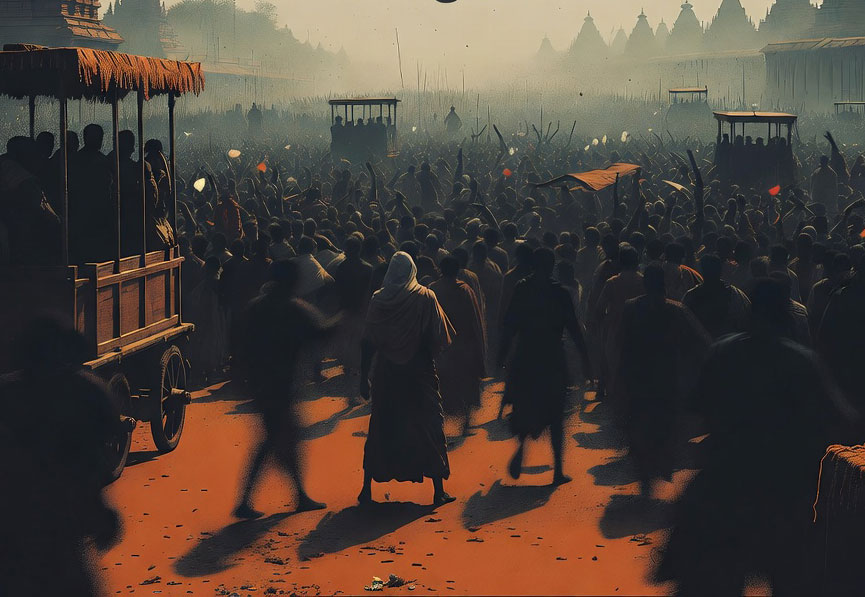
The tragic crowd surge during this year’s Jagannath Rath Yatra in Puri, Odisha, which claimed two lives and injured dozens near the Gundicha Temple, has once again thrust India’s vulnerability to mass gathering disasters into the spotlight. As devotees flocked for a glimpse of the deities, a sudden surge led to panic, suffocation, and loss of life, a grim reminder that despite technological advances and repeated warnings, preventable crowd-related tragedies continue to claim lives across the country.
Over the past decade, India has witnessed numerous stampedes, often at religious sites, political rallies, and public events, resulting in hundreds of fatalities. These incidents frequently stem from poor planning, inadequate infrastructure, and failure to anticipate human behavior in dense crowds.
Notable Incidents in Recent Years
Hathras, Uttar Pradesh (July 2024): Around 121 people, mostly women and children, died when a massive crowd rushed to leave a religious prayer meeting led by a preacher.
Maha Kumbh Mela, Uttar Pradesh (January 2025): At least 30 people died in a stampede as millions of pilgrims jostled for space to take a holy dip in the Sangam area.
New Delhi Railway Station (February 2025): At least 18 people were killed in a late-night stampede as large crowds gathered at the station following the Maha Kumbh festival.
Indore, Madhya Pradesh (March 2023): 36 people died after the roof slab of an ancient well collapsed, triggering a deadly crush during a temple prayer.
Vaishno Devi, Jammu and Kashmir (January 2022): At least 12 people died when a heavy rush of devotees overwhelmed the narrow shrine.
Also, in January 2025, a stampede at Tirumala Tirupati Devasthanams (TTD) in Andhra Pradesh turned deadly when thousands jostled for Vaikuntha Ekadasi darshan tickets. At least six people died, and over 20 were injured as crowds overwhelmed ticket counters, highlighting flaws in token distribution systems during peak pilgrimage seasons.
In December 2024, a high-profile event involving actor Allu Arjun at Hyderabad’s Sandhya Theatre for the Pushpa 2 premiere spiraled out of control. A massive gathering of fans led to chaos outside the venue, resulting in the death of a woman named Revathi and injuries to her young son due to asphyxiation and trampling. The incident drew widespread attention due to the celebrity’s presence and raised questions about event management and security protocols.
These events reveal common patterns – narrow pathways, insufficient crowd monitoring, last-minute changes in schedules, and a lack of real-time coordination between police, organizers, and local authorities.
Pathways to Prevention
Experts and past inquiry committees have consistently outlined practical solutions that could drastically reduce risks if implemented sincerely.
Better Crowd Management Strategies: Deploying scientific crowd density monitoring using AI cameras, drones, and ground sensors can provide early warnings of dangerous build-ups. Dividing large gatherings into smaller, zoned groups with timed entry slots, as successfully trialed at some major events, helps regulate flow.
Infrastructure Upgrades: Widening entry and exit points, installing sturdy barricades, and creating multiple emergency evacuation routes are essential. At religious sites, permanent infrastructure like elevated walkways or additional gates can ease pressure during peak times.
Digital and Administrative Reforms: Shifting to fully online ticketing and registration, as partially adopted by bodies like TTD after incidents, minimizes on-site rushes. Real-time apps for crowd updates and virtual darshan options can further reduce physical footfall without diminishing the spiritual experience.
Training and Coordination: Regular joint drills involving police, disaster management teams, and volunteers build preparedness. Clear command structures and banning unnecessary vehicular movement near venues, as reportedly contributed to the Puri incident, are critical.
Public Awareness and Accountability: Educating attendees on safety dos and don’ts through campaigns, combined with strict post-incident accountability for organizers and officials, can foster a culture of responsibility. Many past tragedies saw suspensions or inquiries, but systemic follow-through remains inconsistent.
The National Disaster Management Authority (NDMA) has issued guidelines on crowd management, yet enforcement varies by state and event scale. With India’s massive population and deep cultural affinity for large public gatherings, from festivals like Rath Yatra to elections and cinema releases, investing in modern solutions is no longer optional.
As investigations into the latest Puri tragedy proceed, including reports of suspended officers, the focus must shift from reaction to proactive reform. Preventing these avoidable losses requires political will, technological integration, and community participation. Only then can India safeguard the lives of its devotees, fans, and citizens who gather in faith, celebration, or excitement.