In the humid late-August heat of Pune’s Manjari area, a quiet but determined hunger strike has stretched past ten days. A handful of Adivasi students from government tribal hostels continue to sit in protest, raising their demands even as they themselves grow weaker.
What began as local grievances over hostel rules has now drawn national attention after Leader of the Opposition Rahul Gandhi amplified their voices, first from a stage in Pune, then in a formal letter and social media posts directed at Maharashtra Chief Minister Devendra Fadnavis.
What are the students complaining of?
The students, many from remote villages across the state, depend on these hostels to pursue higher education far from home. Their core complaints center on a recently tightened age limit of 30 years for hostel stays (initially set at 26 in an early August government resolution, later revised upward after pushback). They argue the cap cuts short education for those still completing degrees or preparing for competitive exams.
Other demands include better food, sanitation, and medical facilities, safer premises (citing past snakebite deaths in facilities such as those in Gadchiroli), revised allowances linked to inflation, and an end to rules they describe as demeaning, particularly the mandatory pregnancy tests and other medical checks for female students returning after longer absences.
Several protesters have been hospitalized for dehydration and related issues, only to rejoin the sit-in. Their memorandum calls for withdrawal of the August 2026 government resolutions governing the hostels, restoration or update of older 2011 guidelines, removal or further raising of the age ceiling (some seek 35–36 or no limit), student representation in policy decisions, and related measures on recruitment and safety.
The agitation also reflects deeper frustrations among Scheduled Tribe communities about access, dignity, and the gap between policy intent and lived conditions in state-run residential facilities.
Rahul Gandhi adds his voice
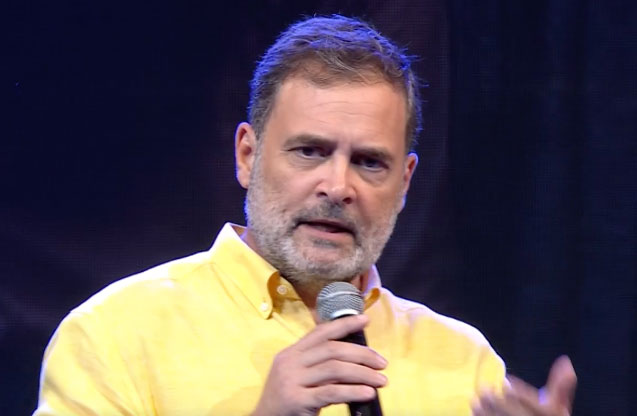
On August 22, during the women-focused edition of his ‘Chhatron Ki Goonj’ (Echo of Students) outreach in Pune, Rahul Gandhi heard these accounts directly. A female student shared the stage and detailed the ongoing fast at Manjari. Mr. Gandhi’s response was immediate and personal, as he offered to join them, telling her essentially to call him so he could sit with the protesters and add pressure.
The event itself formed part of a broader Congress campaign highlighting student concerns such as paper leaks, education costs, employment, and safety, after earlier stops in other cities.
Two days later, on August 24, Rahul Gandhi followed through with a letter to Fadnavis and a post on X. Addressing the chief minister, he wrote that numerous tribal students had been on hunger strike for more than ten days demanding their rights. He recounted what female students told him at the Pune event – the unnecessary 30-year age limit, humiliating rules, unsafe facilities, and ‘inhuman’ provisions such as pregnancy checks. ‘These students, coming from remote villages and towns, are not asking for charity but they are demanding what is theirs by right,’ the post and letter stated. ‘They should not have to risk their health for their government to listen.’
Rahul Gandhi urged CM Fadnavis to meet the students personally and resolve the issues at once. He also shared the students’ memorandum.
The intervention fits a pattern. Rahul Gandhi has positioned ‘Chhatron Ki Goonj’ as a platform for young voices, especially after nationwide student unrest over examination integrity earlier in the year. By centering Adivasi women students’ experiences of dignity and safety alongside educational access, the Pune stop and subsequent letter link local hostel politics to wider questions of equity for marginalized communities.
For the students risking their health in Manjari, the ‘echo’ is about safer beds, fairer rules, and the chance to finish their studies without artificial cutoffs or degrading conditions. Rahul Gandhi’s intervention has turned a regional protest into a national talking point.