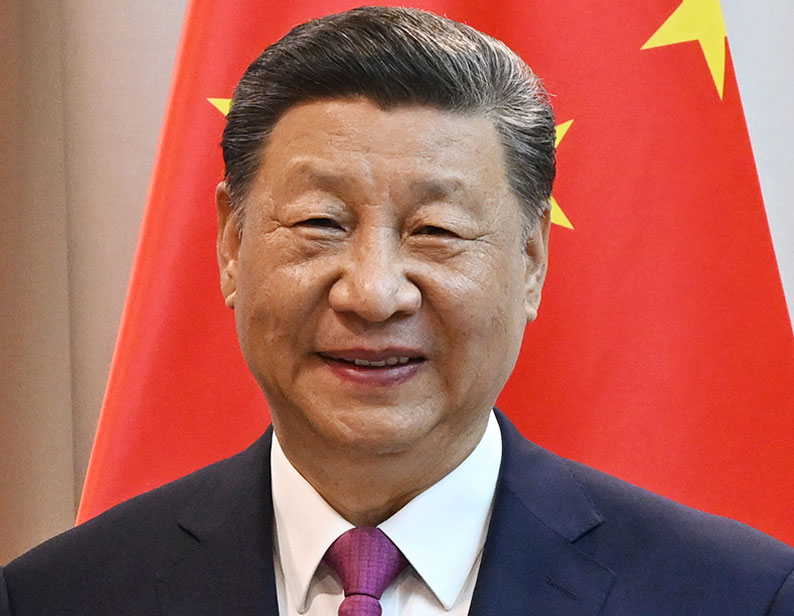
Chinese President Xi Jinping is likely to attend the BRICS summit in the Indian capital next month, sources indicate – a move that would mark his first visit to India in seven years and offer a high-profile test of the fragile thaw between the two Asian giants.
India is set to host the gathering on September 12-13 under its 2026 BRICS chairmanship. The expanded bloc now includes Brazil, Russia, India, China, South Africa, Egypt, Iran, Ethiopia, the UAE, and Indonesia.
While the official agenda focuses on Global South cooperation, resilient supply chains, energy security, digital technology, and counterterrorism, Mr. Xi’s presence or absence will be read far more closely as a signal on bilateral ties than on the summit’s communiqués.
Sources familiar with the preparations told Reuters that President Xi Jinping is expected to travel with a substantial delegation of around 400 officials, roughly double the size of the team that accompanied him on his last India trip in 2019. Chinese officials are reportedly finalizing hotel bookings and security protocols in Delhi, according to one Indian source with direct knowledge.
However, final travel plans and any bilateral meeting agenda with Prime Minister Narendra Modi remain unconfirmed. The Chinese Foreign Ministry has been carefully non-committal. It reaffirmed Beijing’s support for India’s successful hosting of the summit and its active participation in BRICS cooperation, while stating it currently has ‘no information available’ on Mr. Xi’s specific travel plans.
India’s Ministry of External Affairs has not issued a public comment.
The potential visit carries heavy symbolism. President Xi’s previous India trip came in 2019 for the informal summit in Mamallapuram. Relations then plunged after the deadly 2020 border clashes in the Galwan Valley.
Gradual efforts to stabilize the Line of Actual Control have since taken shape, including disengagement understandings and resumed high-level contacts. PM Modi visited China in 2025 for the SCO summit in Tianjin (his first such trip in years) and formally invited President Xi Jinping to the 2026 BRICS event.
If the Chinese President does visit, officials from both sides are expected to use the summit window to explore expanded engagement while carefully managing differences on the border and regional security. Trade imbalances, critical supplies such as rare-earth materials and electronic components, and selective investment flows are also likely to feature in the background conversations.
A large Chinese contingent would itself signal seriousness of intent, even as both capitals continue to prioritize their own strategic autonomy. For India, successfully hosting the expanded BRICS and potentially welcoming the Chinese leader would underscore its convening power amid a shifting global order. For China, participation would reinforce the bloc’s relevance and the narrative of multipolar cooperation.