
The Cockroach Janta Party (CJP) now finds itself navigating uncharted territory.
The online presence initiated by Mr. Abhijeet Dipke in response to the Chief Justice’s remarks comparing the unemployed youth to cockroaches had surprisingly evolved into a major ground-level movement, agitated against NEET irregularities and seeking educational reforms.
The CJP ensured the resignation of Education Minister Dharmendra Pradhan, secured assurances on the withdrawal of FIRs against protesters across states, and compensation for families of students who died by suicide amid the NEET paper leak crisis.
A follow-up dialogue on wider education reforms is slated for the coming weeks. CJP spokespersons described the outcome as a ‘huge victory of the youth,’ with founder Abhijeet Dipke thanking supporters and signaling that ‘this is just the beginning.’
The success of the movement has raised pointed questions about the group’s future direction, longevity, and relevance.
Will CJP Evolve or Fade Away?
At the moment, the CJP has more than twice the followers of BJP on Instagram.
With its main demands largely addressed, the movement now faces a classic dilemma – consolidation or dissolution.
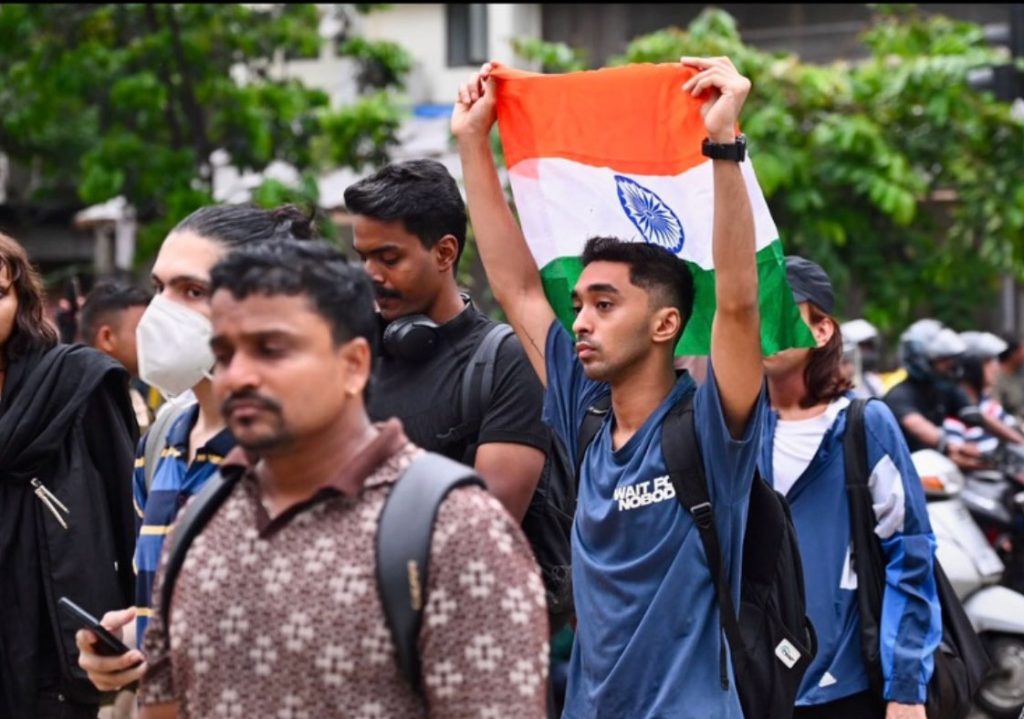
Several paths appear plausible.
Some voices within and outside the CJP are urging it to transform into a sustained watchdog on education, employment, and youth issues. The group’s informal, leader-light structure and symbolic ‘cockroach’ identity (representing resilience and the ability to survive systemic cracks) lend themselves to future mobilisations. Recent moves, such as launching the ‘Sakshi’ portal to document alleged police excesses during the protests, suggest a continued focus on accountability and legal follow-ups.
There is speculation about whether CJP could evolve into a more formal entity, perhaps a registered political outfit or a policy advocacy group.
While the pragmatists argue that declaring victory and disbanding at peak influence could preserve the movement’s moral capital, existence without a clear, unifying cause risks dilution or internal fractures, especially given its decentralised nature.
CJP leaders have so far avoided firm commitments on disbandment. Spokesperson Saurav Das and others have emphasised ‘good faith’ implementation of government promises while keeping options open for renewed agitation if assurances falter. The group continues to frame itself as a voice for the ‘system-forgotten,’ positioning for potential future campaigns on youth unemployment, paper leaks in other exams, or institutional reforms.
The bigger picture
The CJP phenomenon reflects deeper frustrations among India’s young with opaque examination systems, political accountability, and limited avenues for peaceful dissent. Its success in forcing ministerial resignation and policy concessions without traditional political backing certainly marks a notable moment for non-partisan, digitally amplified movements.
Yet challenges remain.
Questions arise about the sustainability of a protest-born group in a polarised landscape, but supporters see it as a model for issue-driven civic action.
Implementation of the government’s promises will be the litmus test. Timely FIR withdrawals, transparent compensation, and meaningful reform talks could validate the approach, but delays may even trigger fresh mobilisation.
For now, the ‘cockroaches’ have retreated from Jantar Mantar, but the swarm’s resilience suggests they may not stay quiet for long. As one leader put it, this victory is not an end, but a proving ground for whatever comes next in India’s evolving youth politics. The coming weeks and months will reveal whether CJP becomes a fleeting spark or a lasting force in holding power to account.