The 23rd edition of the FIFA World Cup has burst into life, marking a groundbreaking chapter in football history as the first tournament to feature 48 teams and be co-hosted by Canada, Mexico, and the United States. With 104 matches scheduled across 16 venues in three countries, the expanded competition promises intense competition and is set to run until the final on July 19 at MetLife Stadium in New York/New Jersey.
The tournament officially opened on June 11 at Mexico City’s iconic Estadio Azteca, where co-hosts Mexico defeated South Africa 2-0 in Group A. The match set a vibrant tone, with passionate home crowds filling the stadium amid extensive celebrations. South Korea followed with a 2-1 victory over Czechia in Guadalajara the same day.
Early group stage highlights have already delivered drama.
On June 12, the United States made a strong statement in Los Angeles, thrashing Paraguay 4-1 in their Group D opener at SoFi Stadium. Canada earned a hard-fought 1-1 draw against Bosnia and Herzegovina in Toronto. Subsequent days saw notable results, including Sweden’s commanding 5-1 win over Tunisia, Côte d’Ivoire edging Ecuador 1-0, and a resilient 0-0 stalemate where debutants Cabo Verde held European powerhouse Spain to a goalless draw in Atlanta – one of the biggest surprises so far.
The format features 12 groups of four teams, with the top two from each group advancing, plus the eight best third-placed sides, leading to a 32-team knockout stage. This structure extends the tournament to 39 days, giving more nations a chance at glory while testing squad depth amid a demanding schedule.
Host nations have enjoyed mixed fortunes early on. Mexico leads Group A, the U.S. has started strongly, and Canada secured a point in their campaign. Preparations across venues have drawn praise for infrastructure, though challenges like match timings for international audiences and logistical coordination in a multi-country setup have been topics of discussion.
Favorites such as Argentina, Brazil, France, Germany, and Spain entered with high expectations, but early matches have shown the expanded field brings unpredictability. Standout individual performances and tactical battles are already emerging as teams adapt to North American conditions, including heat and travel.
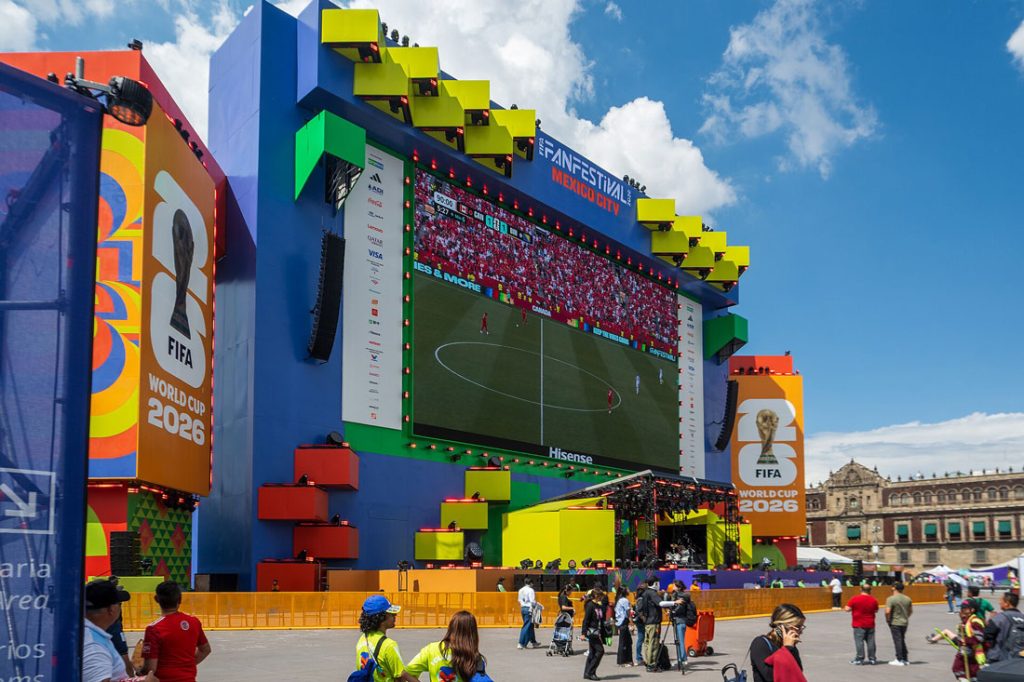
Off the pitch, the event has generated massive global interest, with FIFA Fan Festivals and cultural celebrations drawing fans to host cities. Security, ticketing, and fan experiences remain focal points as organizers aim to deliver a seamless spectacle.
As the group stage progresses through late June, anticipation builds for key clashes and the transition to knockouts. With defending champions and rising talents on display, the 2026 World Cup is living up to its billing as the largest and most inclusive edition yet.