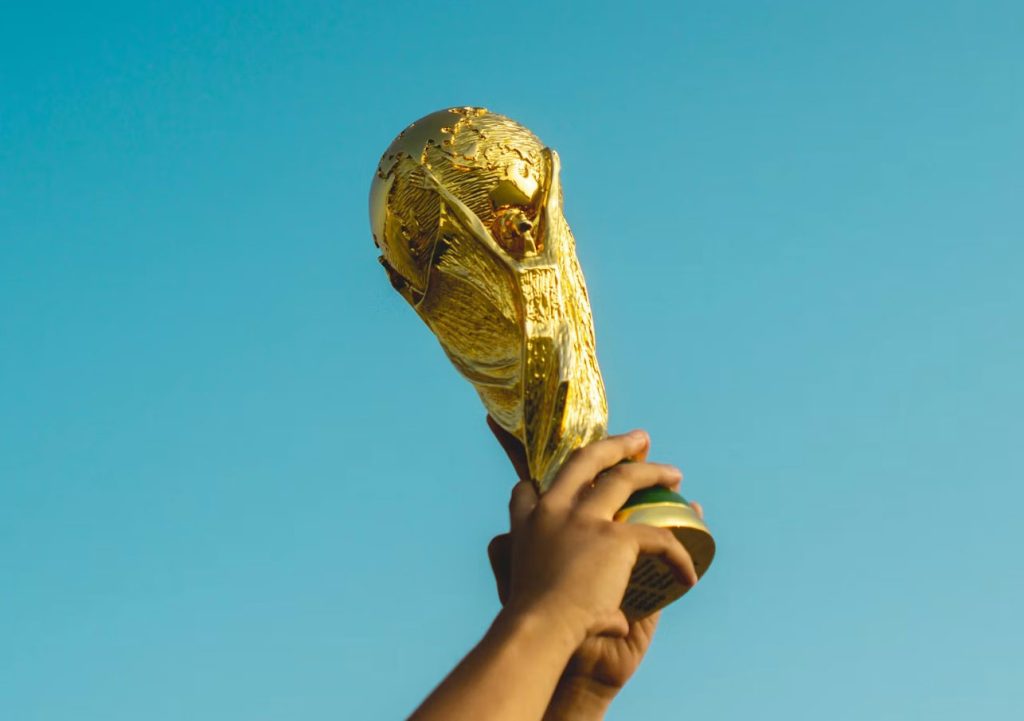
In a tense yet one-sided contest at MetLife Stadium, Spain dethroned defending champions Argentina with a 1-0 extra-time victory on Sunday, July 19, 2026, securing their second FIFA World Cup title 16 years after their 2010 triumph in South Africa.
Ferran Torres, who came off the bench, delivered the decisive strike in the 106th minute, pouncing on a headed knockdown from Nico Williams to smash the ball into the roof of the net. The goal capped a dominant performance by Luis de la Fuente’s side, which controlled possession and created the vast majority of chances but had to wait until the second period of extra time to break through a resilient Argentine defense.
One-sided contest
The match remained goalless through 90 minutes thanks to an inspired showing from Argentina goalkeeper Emiliano Martínez, who made a record 11 saves in the final. Spain outshot their opponents 20-2 and enjoyed a significant edge in possession (around 65%) and passing accuracy, repeatedly stretching the Argentine backline with fluid, intricate build-up play.
Argentina’s task became even tougher in stoppage time when midfielder Enzo Fernández received a second yellow card for a reckless challenge, leaving his team with 10 players for extra time. Lionel Messi, in what was widely expected to be his final World Cup appearance at age 39, was largely neutralized by Spain’s compact and aggressive midfield and defense.
Spain’s victory also carried historic weight. The team became the first nation to win consecutive men’s and women’s World Cups. They set a new benchmark for defensive solidity, conceding just one goal across the entire tournament. Captain Rodri, named the tournament’s best player, lifted the trophy presented by FIFA President Gianni Infantino and US President Donald Trump in front of a sell-out crowd of more than 80,000 fans. The 2026 edition, co-hosted by the United States, Canada, and Mexico, was the largest in history with 48 teams and 104 matches.
Spain’s path to glory featured strong wins over top competition, including victories against Portugal, Belgium, and France, showcasing the depth and tactical discipline of a squad blending experienced leaders with exciting young talents like Lamine Yamal and Nico Williams.
For Argentina, the defeat ended hopes of back-to-back titles, a feat last achieved by Brazil in 1962. Despite a gritty defensive effort, the team struggled to generate meaningful attacks. Messi walked off the pitch in tears, closing a legendary international career that included the 2022 title and multiple Copa América triumphs.
Post-match, Torres dedicated the win to the Spanish people, while coach de la Fuente expressed pride in his players and hinted at future ambitions for the young squad. Spain will take home a record prize of $51 million, further cementing a golden era for La Roja. As fireworks lit up the New Jersey sky and celebrations erupted across Spain, the 2026 World Cup concluded with a new champion ready to lead the next chapter in international football.