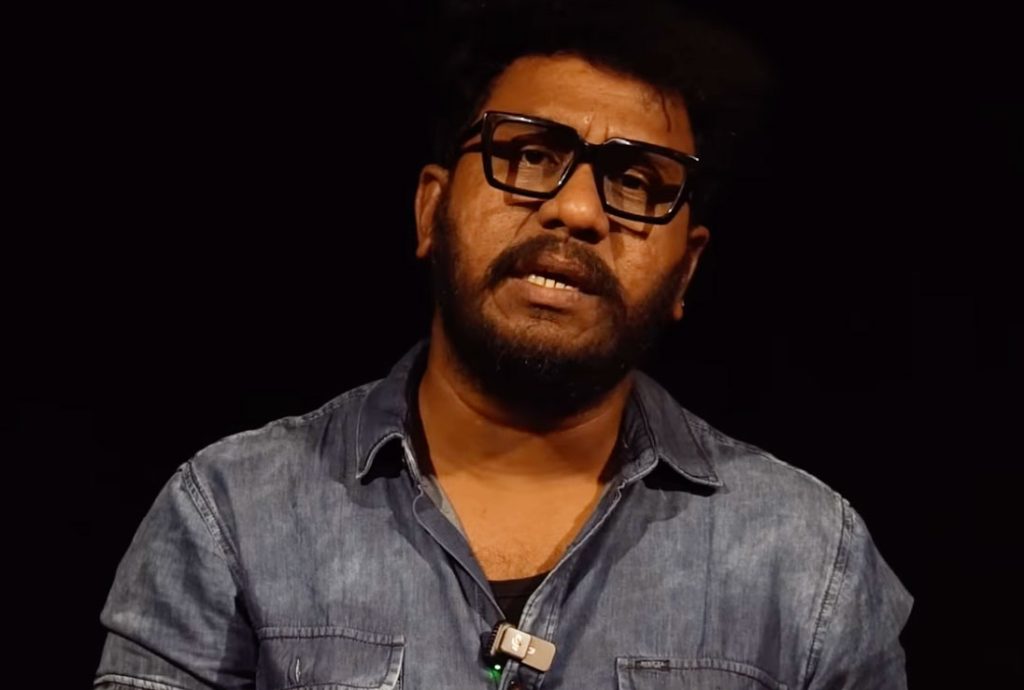
Andhra Pradesh police have slapped the draconian Unlawful Activities (Prevention) Act (UAPA) on outspoken Telugu YouTuber Bachalakuri Joseph alias Prashna Raavan – his fifth arrest in roughly five days as of July 6, 2026.
Opposition parties decried that this isn’t policing; it’s persecution by paperwork, a blatant attempt to bury a critic under the weight of one of India’s most abusive anti-terror laws.
Raavan, whose YouTube channel ‘Prashna’ thrives on hard-hitting questions about caste discrimination, political hypocrisy, and governance failures, was picked up yet again after a complaint linked to a speech at a Dalit Samara Shankaravam event in Eluru. Police claim he propagated CPI-Maoist ideology and incited unrest while criticising Deputy Chief Minister Pawan Kalyan. The charges? UAPA Sections 13 and 39, the same provisions meant for actual terrorists and unlawful organisations, alongside routine BNS sections.
A court has now remanded him to 14 days in judicial custody at Nellore Central Prison.
Serial arrests reveal a pattern of harassment?
Let’s call this what it is: a crude ‘arrest on loop’ strategy.
Mr. Raavan secured bail in four previous cases, each seemingly engineered around his videos criticising the ruling alliance on caste issues. The moment one door opened, police slammed another shut. When regular sections failed to keep him detained, they reached for the nuclear option, UAPA, a law notorious for its vague wording, presumption of guilt, and near-impossible bail conditions.
Is this about national security?
Is this about silencing a voice that dared to highlight uncomfortable truths on caste atrocities and political inaction?
Applying terror legislation to a YouTuber’s public speech at a Dalit gathering is not just disproportionate; it is a grotesque perversion of justice. UAPA was never intended as a tool for muzzling digital-age critics or settling political scores, yet here it is, deployed with alarming ease against someone whose primary ‘offence’ appears to be asking questions too loudly.
Civil liberties advocates have repeatedly warned that UAPA is frequently misused against journalists, students, activists, and minorities. The Raavan episode adds a fresh, disturbing chapter: a government so thin-skinned that fiery YouTube commentary on caste justice triggers anti-terror provisions. The message is chilling – criticise us on core issues like discrimination, and we’ll brand you a threat to the state itself.
Raavan’s repeated re-arrests, even as courts repeatedly granted him relief, reek of vindictiveness. Opposition leaders, including YS Jagan Reddy, have called out the misuse of police machinery. Meanwhile, the same administration shows far less urgency on pressing public safety issues. The selective outrage is glaring.
Is this governance or intimidation dressed up in legal finery?
By invoking UAPA against Prashna Raavan, Andhra Pradesh authorities have exposed their insecurity and contempt for democratic dissent. A YouTuber questioning power is a terrorist? Treating him as one reveals far more about those in power than about the man in custody.
The courts must scrutinise this case rigorously. India’s democracy cannot afford to let draconian laws become routine weapons against inconvenient voices. Mr.Raavan may be locked away for now, but the questions he raised, and the authoritarian overreach on display, may not disappear quietly.