As the Russia-Ukraine conflict stretches into its fifth year in mid-2026, both sides are locked in a grueling war of attrition marked by deep strikes, logistical disruptions, and mounting human and economic costs.
While Russian forces continue incremental advances in eastern Ukraine’s Donbas region, Ukrainian long-range drone and missile operations have increasingly targeted critical infrastructure deep inside Russia, prompting defensive measures and economic strain in Moscow.
Russian President Vladimir Putin has claimed Ukrainian forces are retreating along much of the front line, while accusing Kyiv of shifting to ‘outright terrorist acts’ through cross-border strikes. However, independent assessments indicate limited Russian gains amid high casualties, with Ukrainian forces conducting effective counteroperations in several sectors.
What’s going on in the battlefield?
In eastern Ukraine, Russian troops have focused efforts on capturing key cities in Donetsk Oblast, including attempts to seize Kostiantynivka as part of a broader push to control the Donbas. Despite repeated offensives, progress remains slow and costly, with Ukrainian defenses holding firm in fortified positions. Ukrainian Commander-in-Chief Oleksandr Syrskyi has reported that Putin has ordered planning for potential future operations toward Kyiv, though analysts view this as aspirational rather than imminent.
Ukraine has leveraged domestically produced long-range drones to strike targets far behind Russian lines, including oil refineries, satellite communication centers, and logistics hubs in Crimea. These operations have disrupted Russian fuel supplies and military coordination, leading to fuel shortages acknowledged by Putin and a state of emergency in Russian-occupied Crimea.
Crimea, a critical logistical base for Russian operations, has faced repeated attacks, resulting in power outages, restricted fuel sales, and even unusual measures like nighttime bans on mopeds and motorcycles due to their similarity to drone sounds. Ukrainian officials describe these strikes as ‘long-range sanctions’ aimed at weakening Russia’s war machine.
Humanitarian and economic toll
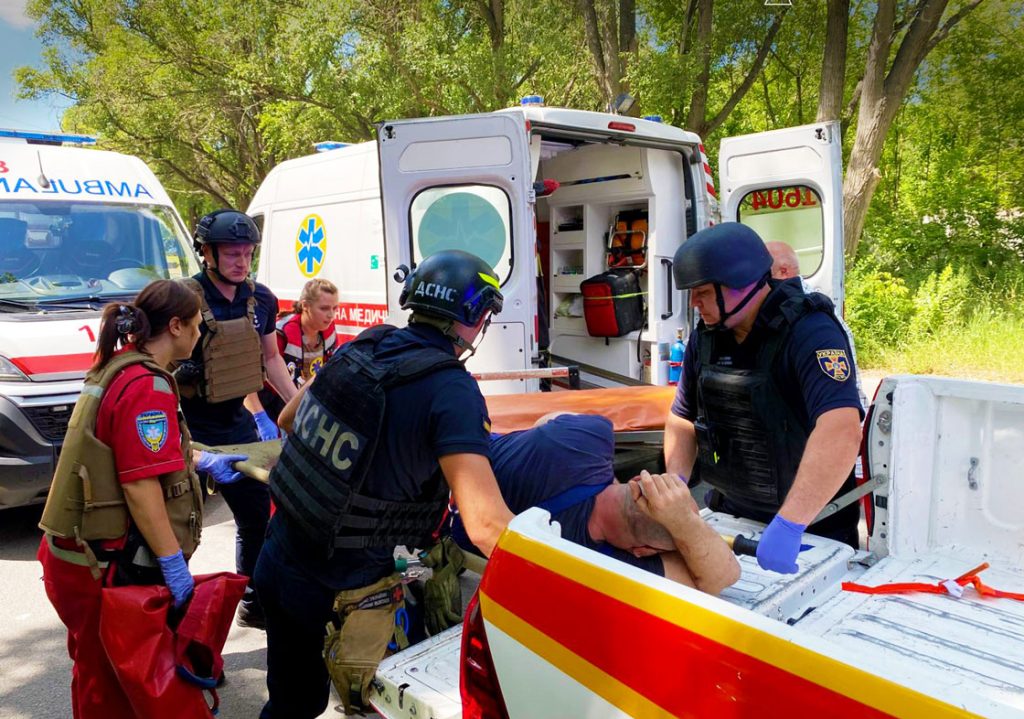
The war continues to exact a heavy price on civilians.
Recent Russian strikes on Ukrainian cities have killed dozens, while Ukrainian drone attacks on Moscow and other areas have caused civilian casualties, including the death of a child. Displacement remains widespread, with millions affected across both nations.
Russia’s economy is showing signs of strain from sanctions and targeted strikes on energy infrastructure, with reports of fuel deficits and recruitment challenges. Ukraine, bolstered by Western aid including advanced drone technology from the EU, has demonstrated resilience but faces ongoing challenges with air defenses and manpower.
Struggling diplomacy
Talks of peace remain elusive.
Mr. Putin has hinted at openness to negotiations, but hardliners in Russia urge escalation. Ukrainian President Volodymyr Zelenskyy has mocked repeated Russian failures to fully capture Donbas and called for a full ceasefire as a precondition for talks. International efforts, including US involvement under President Trump, have yielded limited results so far.
The conflict appears poised for continued high-intensity fighting, with Ukraine focusing on asymmetric strikes and Russia pressing ground offensives. Both sides’ ability to sustain operations amid resource constraints and international dynamics will likely shape the coming months. The human cost, already staggering, underscores the urgent need for de-escalation.