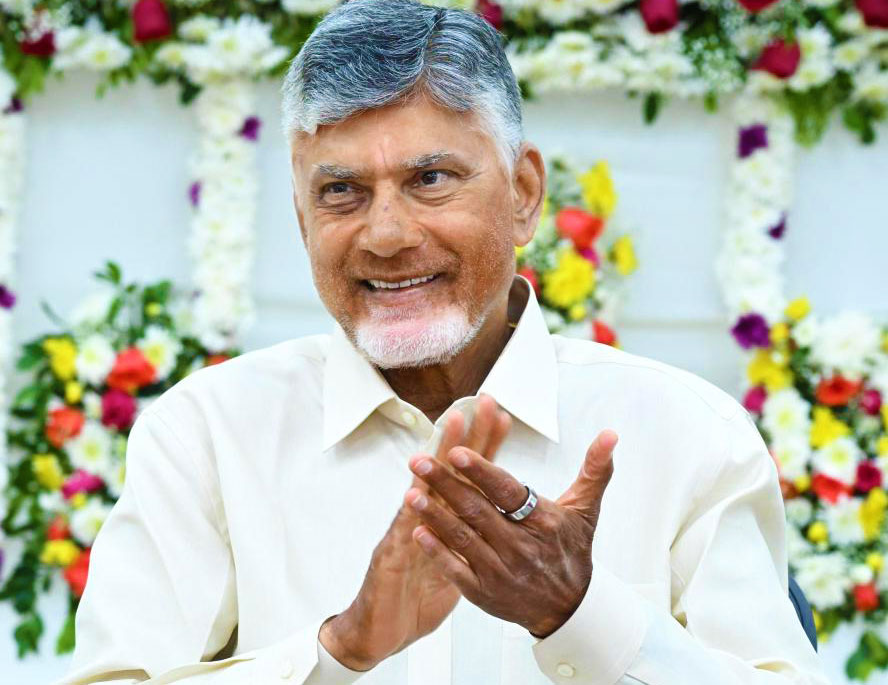
In a move hailed by the ruling NDA alliance as a historic correction of past injustice, the Andhra Pradesh Cabinet on August 18, 2026, approved 34% reservation for Backward Classes (BCs) in rural local bodies and 33.33% in urban local bodies.
Chief Minister Chandrababu Naidu announced the decision in the Assembly, framing it as fulfillment of a key 2024 NDA election promise and restoration of levels last seen in polls from 1995 to 2013. The government has since issued Government Orders (including GO Ms No. 105 for rural bodies) to implement the quotas while retaining existing SC and ST reservations.
Officials are racing to hold local body elections by October to secure substantial central Finance Commission grants, potentially avoiding losses running into thousands of crores.
The Cabinet also cleared direct elections for mayors of municipal corporations and chairpersons of municipalities and nagar panchayats, aiming for greater stability in urban governance, alongside plans to reorganise Zilla Parishads in line with the state’s 28 districts.
CM Chandrababu Naidu emphasised that BCs, estimated at over 50% of the state’s population and the backbone of its rural economy, deserve stronger political representation alongside gains in education, skills, employment and entrepreneurship. Ministers, including BC Welfare Minister Savitha, celebrated the step as empowering the community after what they described as a reduction to around 24.15% under the previous regime, which they claimed cost thousands of BC aspirants opportunities.
Parallel efforts continue on a proposed BC Protection Act, touted as a first-of-its-kind law in the country, to curb caste- or occupation-based harassment, with special courts for speedy trials; the draft has advanced through consultations and legal scrutiny, though introduction in the Assembly remains pending final clearances.
Opposition alleges deception
The opposition YSR Congress Party has sharply criticised the initiative.
Former minister Poluboina Anil Kumar Yadav accused the government of preparing to deceive BCs by announcing the quota only for it to face inevitable court challenges, after which the ruling side would shift blame.
YSRCP leaders recalled their own 2019 attempt at 34% reservation (via GO), which faced legal hurdles, and claimed greater actual political representation for BCs, including in Parliament, the Council, mayoral posts and corporations, during their tenure despite constraints.
On August 24, YSRCP BC leaders staged a ‘BC Garjana against TDP Betrayal’ at the party’s Tadepalli headquarters, attended by several leaders including former ministers. Chaired by MLC and BC Wing president R. Ramesh Yadav, the gathering alleged failure to honour election promises, neglect of welfare schemes (such as a proposed pension for older BC women), inadequate political posts, and targeting of BC leaders through cases. They demanded robust legal and constitutional backing for the 34% quota, questioned the enforceability of recent GOs, and announced village-to-regional level mobilisation.
Congress leaders separately dismissed the move as an eyewash, citing insufficient time for caste surveys, commission reports, legislative amendments, ordinances and judicial clearances before elections.
Legal hurdles
Legal clouds have already gathered. A public interest litigation filed in the Andhra Pradesh High Court challenges the restored quotas for potentially breaching the Supreme Court’s 50% aggregate reservation ceiling for SC, ST and OBC categories in local bodies, citing precedents including the 2020 high court ruling that struck down a similar arrangement. The court is set to hear the matter imminently.