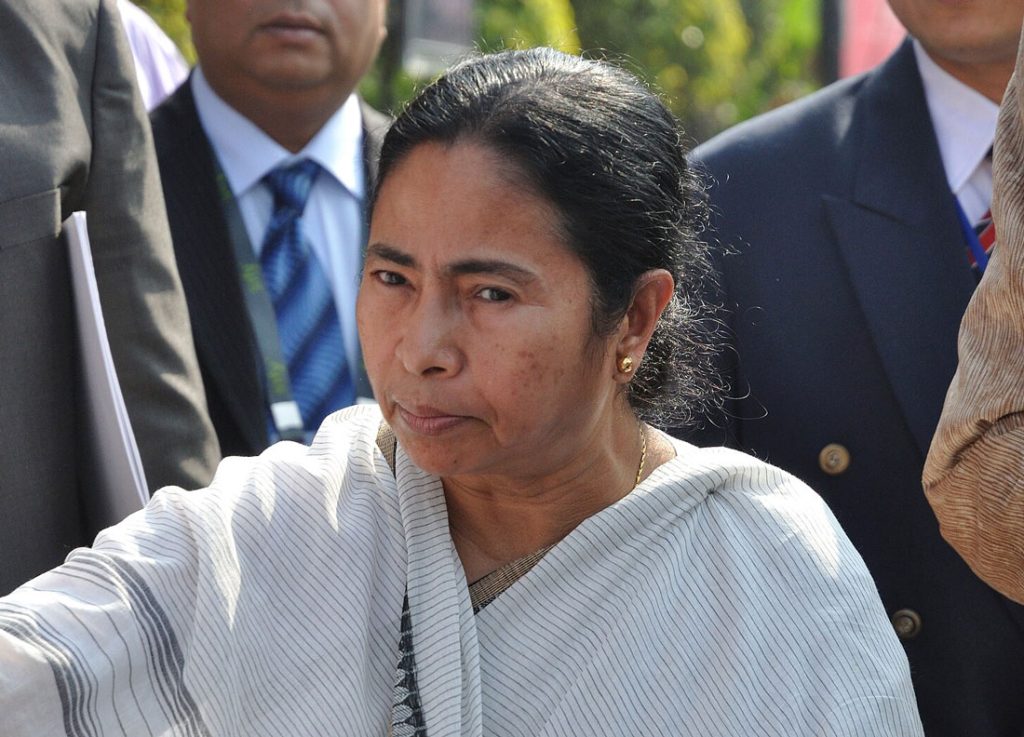
The All India Trinamool Congress (TMC), which governed West Bengal for 15 consecutive years under founder Mamata Banerjee, remains deeply divided nearly three months after its heavy defeat in the 2026 state assembly elections.
The party that once commanded a dominant majority has fractured into competing power centres, with large-scale rebellions among legislators and parliamentarians leaving its organisational structure, parliamentary strength, and claim to the party’s identity contested.
The crisis began shortly after the election results, which ended TMC’s long hold on power and installed a BJP-led government headed by Chief Minister Suvendu Adhikari. On June 3, a group of approximately 58 of the party’s 80 newly elected MLAs, later claimed to have grown to around 60-65, submitted a letter to the assembly speaker nominating expelled MLA Ritabrata Banerjee as Leader of the Opposition, rejecting the high command’s choice of Sovandeb Chattopadhyay.
The speaker recognised the claim, installing Ritabrata in the post. The rebels positioned themselves as the ‘real’ Trinamool legislative party and offered Mamata Banerjee a role as chief adviser or mentor while asserting control over the opposition benches.
The rebellion quickly spread to Parliament. On June 8, about 20 of TMC’s roughly 28 Lok Sabha MPs, led by Kakoli Ghosh Dastidar, broke away from the parliamentary party. To navigate anti-defection provisions, they merged with the little-known Nationalist Citizens Party of India (NCPI) and pledged support to the BJP-led National Democratic Alliance (NDA). The group, which includes several long-time associates of the Banerjee leadership, has been granted separate seating in the Lok Sabha.
Simultaneously, multiple Rajya Sabha MPs resigned, including Sukhendu Sekhar Roy, Sushmita Dev, Prakash Chik Baraik, and later actor-turned-MP Koel Mallick. Some of these former TMC members subsequently joined the BJP and received party tickets for bypolls to the vacated seats.
On June 22, the rebel MLA faction convened a special session and announced a parallel National Working Committee. Senior MLA Arup Roy was elected chairperson, with figures such as Firhad Hakim, Aroop Biswas, Rathin Ghosh, and Sabina Yasmin named to key positions. Neither Mamata Banerjee nor her nephew and national general secretary Abhishek Banerjee featured in the new structure.
The rebels formally approached the Election Commission seeking recognition as the authentic TMC, along with the party name, symbol, and funds. Mamata’s camp responded by submitting its own list of office-bearers to the Commission, affirming her continued role as chairperson, Abhishek as general secretary, and other loyalists such as Subrata Bakshi, Derek O’Brien, and Dola Sen in organisational posts.
Disciplinary action, including show-cause notices and expulsions, followed against several rebel leaders.
As of mid-to-late August 2026, the party effectively operates through three distinct centres: the Mamata Banerjee-led loyalist group, which retains a smaller core of MLAs, MPs, and grassroots workers and insists that ‘TMC means Mamata Banerjee’; the Ritabrata Banerjee-led legislative rebels, who control the bulk of the opposition benches in the assembly and claim majority support among elected legislators; and the 20 NCPI MPs aligned with the NDA at the Centre.
Additional individual defections, such as that of long-time aide Madan Mitra to the rebel camp, have continued to chip away at the original leadership’s base. Loyalist voices, including Kalyan Banerjee, have publicly criticised the scale of switches as reflecting poorly on Bengal’s political culture, while accusing the ruling side of encouraging the exodus.
The Election Commission remains the key arena for the unresolved contest over the party’s legal identity and assets. Meanwhile, the reduced parliamentary numbers have diminished TMC’s national footprint, and the loss of government patronage has strained the organisational ecosystem that sustained the party during its years in power. Grassroots workers and local councillors have also been affected by the turmoil, with reports of further resignations at lower levels.
Mamata Banerjee has sought to project resilience, urging fence-sitters to decide their allegiance and focusing on rebuilding a coherent opposition force. Abhishek Banerjee has challenged rebels to return, offering personal accountability. Yet the scale of the rupture, unprecedented in the party’s nearly three-decade history, raises fundamental questions about whether the TMC can revive its fortunes.