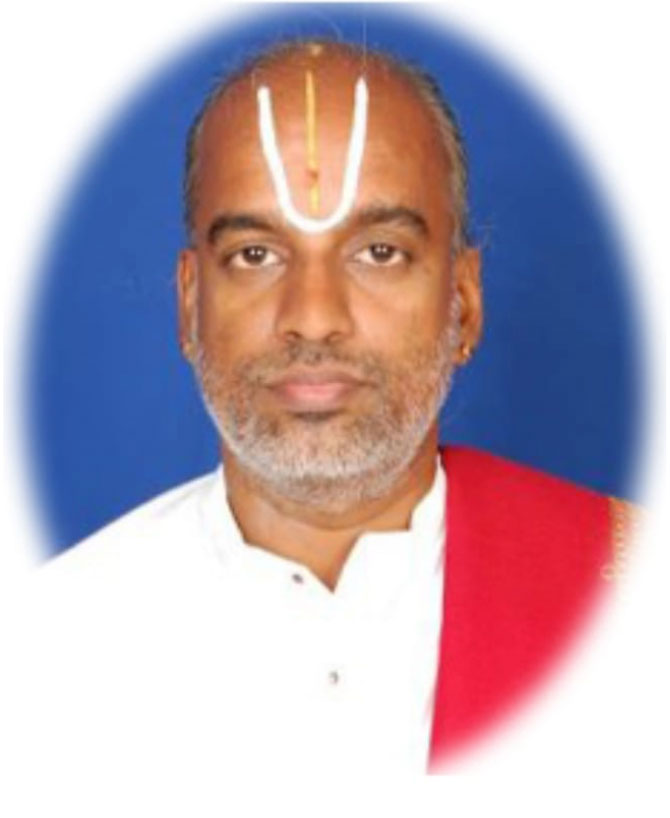
Professor Chakravarthy Raghavan of National Sanskrit University, Tirupati, writes a guest column for the Deccan Mirror about safeguarding the dignity of India’s academicians from being politicized.
Political debate must not humiliate government-appointed academicians
Parliament is the supreme democratic forum of India, where governments are held accountable and public policies are debated with constitutional responsibility. Political parties have every right to criticize the government, its ministers, and its decisions. However, government-appointed academicians, scientists, Vice-Chancellors, Directors, Professors, and career public servants should never become targets of personal ridicule for political gain.
The recent remarks made in Parliament referring to Prof. V. Kamakoti, Director of IIT Madras, as a ‘cow urine analyst’ have caused concern among many members of the academic community. Prof. Kamakoti is an internationally respected scholar, an accomplished scientist, and a recipient of one of India’s high civilian honour ‘Padma Shri.’ He has devoted decades of his life to research, higher education, technological innovation, and nation-building. Public ridicule directed at such distinguished personalities inevitably affects not only the individual concerned but also the dignity of the institutions they represent.
When eminent academicians are subjected to disparaging comments in Parliament, thousands of professors, teachers, scientists, researchers, university administrators, and government officials across India may feel that their professional dignity is vulnerable to partisan political attacks. Such an atmosphere can weaken morale and discourage dedicated public service.
National honours must command national respect
India confers civilian honours such as the Padma Awards to recognize exceptional service to the nation in science, education, literature, medicine, public affairs, and other fields. Individuals who receive such honours symbolize the nation’s gratitude for their outstanding contributions.
Regardless of political differences, recipients of national honours deserve to be treated with respect and dignity. Differences of opinion regarding scientific ideas or public statements should be addressed through evidence-based discussion and reasoned debate, not through personal ridicule.
India’s knowledge tradition has always regarded teachers and scholars as the custodians of civilization. Respect for learning and scholarship is deeply embedded in the country’s cultural ethos. Public representatives should therefore exercise restraint while referring to eminent academicians, especially within Parliament.
Parliament should protect the dignity of government officers
A clear distinction must always be maintained between criticizing the government and humiliating government-appointed officials. Ministers and governments are accountable to Parliament and are rightly subject to criticism. Career academicians, scientists, university leaders, and civil servants, however, discharge statutory responsibilities entrusted to them by the Constitution and the laws of the land.
For this reason, Parliament may consider evolving a code of conduct or appropriate safeguards to discourage personal ridicule or disparaging remarks directed against government-appointed officers, university leaders, scientists, teachers, and public servants who are not participants in electoral politics. Such a measure would strengthen democratic institutions while protecting the dignity and independence of those who serve the nation.
Political disagreement should always remain focused on public policy, governance, and administration, but not result in personal attacks against individuals who have dedicated their lives to education, research, and public service.
A respectful clarification would strengthen democratic values
Public discourse becomes stronger when differences are expressed with civility and mutual respect. If any parliamentary remarks have caused hurt to the academic community or to citizens who hold certain cultural or religious beliefs, a clarification or expression of regret by the concerned Member of Parliament would contribute positively to the dignity of Parliament and reinforce the values of democratic accountability.
India’s Parliament has historically upheld high standards of debate. Preserving that tradition requires all Members, irrespective of political affiliation, to ensure that criticism remains directed at governments and policies rather than at distinguished academicians or career public servants.
India’s professors, teachers, scientists, researchers, and educational leaders are among the nation’s greatest assets. They inspire future generations, advance scientific knowledge, strengthen national institutions, and contribute immeasurably to the country’s progress. Their dignity must remain above partisan politics.
A mature democracy is judged not only by the strength of its criticism but also by the respect it extends to those who dedicate their lives to knowledge, public service, and nation-building.