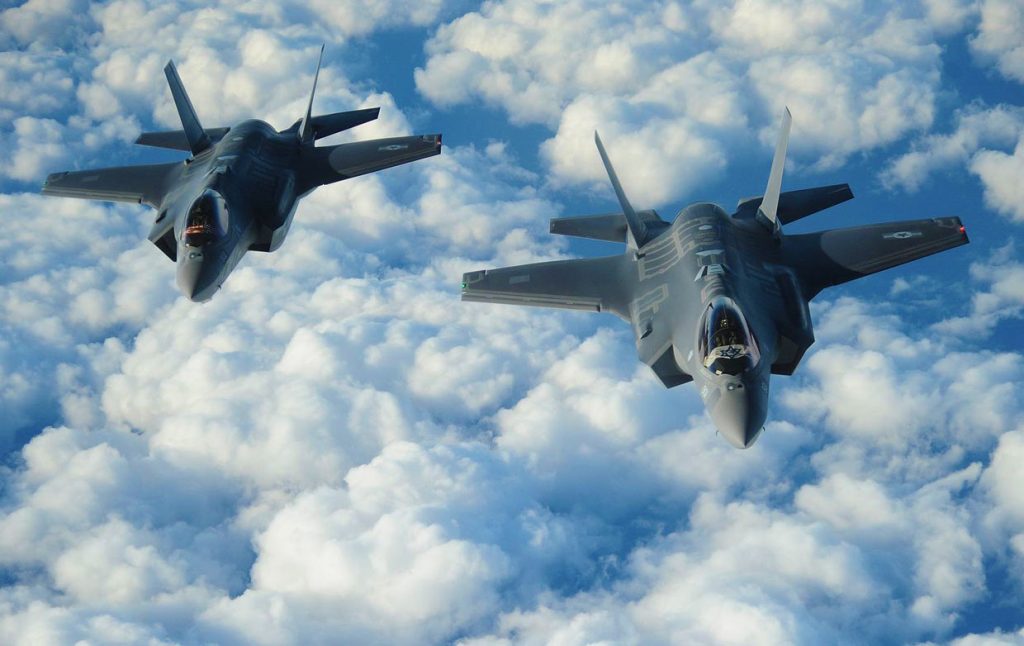
In an unprecedented operation, Israel conducted airstrikes targeting Iran’s nuclear facilities overnight, hitting key sites including the Natanz enrichment plant and the Fordow underground complex. The attack, confirmed by Israeli and Iranian officials, marks a major escalation in the decades-long shadow war between the two nations, raising fears of a broader conflict with global implications.
How the strikes unfolded
The Israeli Air Force launched the operation at approximately 2 AM local time on June 13, 2025, deploying F-35 stealth fighters and precision-guided munitions.
According to IDF statements, the strikes targeted centrifuge halls at Natanz, where Iran enriches uranium to near-weapons-grade levels, and critical infrastructure at Fordow, a heavily fortified site embedded in a mountain. The attack also hit secondary targets, including an IRGC missile production facility near Isfahan.
Iranian air defenses, weakened by prior Israeli strikes in October 2024, intercepted some incoming munitions, but significant damage was reported. At Natanz, satellite imagery analyzed by Western intelligence confirmed the destruction of two centrifuge cascades, setting back Iran’s enrichment capacity by an estimated 12–18 months. Fordow sustained partial damage to its ventilation systems, though its deep underground structure limited the impact. Iran reported seven military personnel killed and 15 civilians injured in nearby areas, with state media describing the attack as a ‘cowardly act of aggression.’
Israeli Prime Minister Benjamin Netanyahu, in a televised address at 6:30 AM, justified the strikes as a ‘preemptive necessity’ to prevent Iran from acquiring nuclear weapons. ‘Israel will not allow a regime that calls for our destruction to possess the means to do so,’ he stated.
The operation was reportedly coordinated with US military officials, though the Pentagon denied direct involvement, citing only consultations with Israel.
What led to this?
The strikes follow months of escalating tensions, culminating in Iran’s June 12, 2025, missile and drone attack on Israel’s Dimona nuclear reactor, which caused minor damage but no radioactive leaks. That assault, Iran’s first direct strike on Israel’s nuclear infrastructure, was itself a retaliation for Israel’s October 2024 bombing of Iran’s Taleghan 2 facility at Parchin, which destroyed equipment linked to nuclear weapons research.
The International Atomic Energy Agency (IAEA) reported in June 2025 that Iran had amassed 420 kilograms of uranium enriched to 60% purity, enough for several nuclear bombs if further processed. Israel, which views Iran’s nuclear program as an existential threat, has long signaled its readiness to act unilaterally. Failed US-Iran nuclear talks, stalled in May 2025, and Iran’s subsequent threats to reconsider its nuclear doctrine further alarmed Israeli leaders, prompting the decision to strike.
International reactions
The global response was immediate and polarized.
The US reaffirmed its ‘ironclad’ support for Israel’s security but urged restraint to avoid a wider war. President Donald Trump, speaking at a press conference, warned Iran against retaliation, stating, ‘Any attack on our bases or allies will be met with overwhelming force.’ The Biden administration, in its final months, has faced criticism for failing to secure a nuclear deal, with some analysts arguing that diplomatic inaction paved the way for Israel’s strike.
The UN Security Council convened an emergency session at 4 AM EST, with Russia and China condemning Israel’s actions as a ‘violation of sovereignty’ and warning of ‘catastrophic consequences.’ Saudi Arabia and the UAE, while critical of Iran’s nuclear ambitions, called for de-escalation to protect regional stability, citing risks to oil markets, which saw a 9% price spike in early trading. The IAEA expressed concern over the safety of Iran’s nuclear sites and urged both nations to allow inspections to prevent environmental or radiological risks.
Strategic ramifications
Israel’s strike demonstrates its advanced military capabilities and willingness to act decisively, even at the risk of war. The use of US-provided bunker-busting munitions, confirmed by defense analysts, suggests tacit American approval, despite public denials. However, the operation’s limited success at Fordow, where Iran’s most sensitive enrichment activities occur, underscores the challenges of neutralizing Iran’s deeply buried facilities.
Iran’s response remains a critical unknown. The IRGC vowed a ‘crushing retaliation,’ with state media hinting at potential strikes on US bases in Iraq or Qatar if American complicity is confirmed. However, it is doubtful whether Iran will risk dragging the US directly into the conflict.
Iran’s remaining missile arsenal, including hypersonic models showcased in recent drills, poses a significant threat to Israel and regional allies. Supreme Leader Ali Khamenei, addressing the nation, declared, ‘The Zionist regime will face consequences beyond its imagination.’
The attack has also strained Israel’s domestic politics, with opposition leaders questioning the timing and scope of the operation amid ongoing protests over judicial reforms. Meanwhile, Iran’s weakened regional proxies, including Hezbollah and Hamas, limit its ability to wage a multi-front war, potentially forcing Tehran to rely on direct military action or cyberattacks.
As of 7:25 AM IST on June 13, Iran has closed its airspace and mobilized its armed forces, signaling preparations for a possible counterstrike. Israel remains on high alert, with its air defenses fully activated and reservists called up. The US has deployed additional warships to the Eastern Mediterranean as a show of force.
Diplomatic efforts are faltering, with France and Germany proposing an emergency summit to salvage nuclear talks, though prospects appear dim. The risk of a broader conflict, potentially involving nuclear escalation, looms large. Iran’s ability to rapidly rebuild its enrichment capacity and Israel’s determination to prevent a nuclear-armed Iran suggest that this latest clash may be the opening salvo in a prolonged and dangerous confrontation.