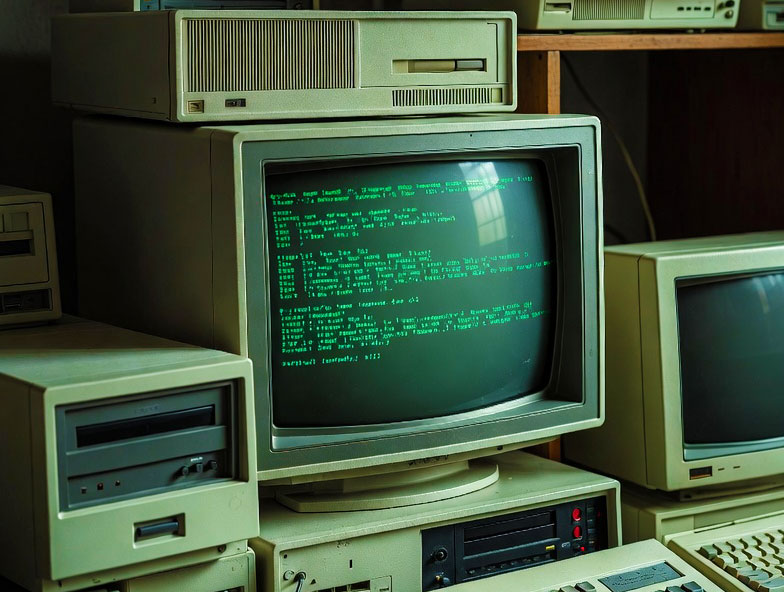
Venkateswara Rao Muttireddy, an expert in AI technologies, writes a special article for DM about how crucial the Legacy Sytems are and how to modernize safely.
Despite decades of new platforms and bold transformation promises, legacy systems continue to run critical parts of the global economy. Banks process transactions on them. Airlines rely on them to keep schedules moving. Governments depend on them to deliver essential services. Their persistence is not a failure of innovation; it is a reflection of reliability.
Legacy systems survived because they work. They handle scale, edge cases, and regulatory complexity that newer platforms often underestimate. Over years of operation, they have absorbed countless exceptions, policy changes, and business rules. What looks outdated on the surface often hides deep operational knowledge.
The problem arises when organizations treat these systems as obstacles rather than assets. Modernization efforts frequently begin with the assumption that replacement is easier than understanding. In practice, this approach introduces risk. Removing a system without fully grasping its role disrupts processes that were never formally documented.
From experience, the safest path forward starts with respect. Legacy platforms should be mapped, not dismissed. Their interfaces reveal how work actually flows. Their constraints highlight where stability matters more than flexibility. Modernization succeeds when these realities are acknowledged early. One common mistake is attempting large-scale replacement in a single step. This creates pressure, increases dependency risk, and amplifies failure impact. A safer approach is incremental change. Functions are isolated, interfaces are clarified, and responsibilities are shifted gradually. Stability is maintained while capability evolves.
Integration plays a central role in this transition. Legacy systems rarely need to be removed immediately; they need to be connected properly. Clear boundaries allow newer platforms to extend functionality without disrupting core operations. Over time, this reduces dependency while preserving continuity.
There is an unavoidable trade-off between innovation and reliability. Moving too slowly limits growth. Moving too quickly risks operational failure. Organizations that succeed recognize that modernization is not about speed, but sequencing.
The lesson learned across industries is consistent. Legacy systems remain because they embody trust. Modernization works when that trust is preserved, not broken. Progress comes not from erasing the past, but from building carefully on top of it.