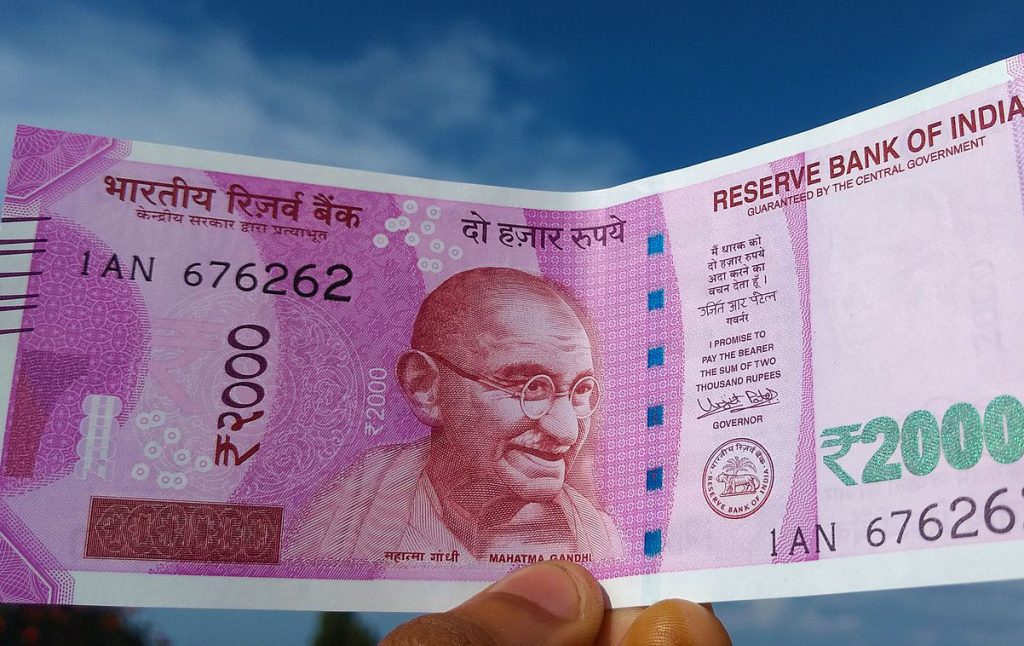
As 2025 draws to a close, the Indian rupee is plunging to unprecedented depths against the US dollar. On December 16, the currency broke through the critical 91 barrier for the first time, hitting an intra-day low of approximately 91.14 INR per USD. This marked a fresh all-time low, extending a trend of steady depreciation that has seen the rupee lose more than 6% of its value against the dollar over the course of the year, making it one of Asia’s worst-performing currencies.
The slide did not stop there initially, with the rate briefly pushing past 91 before a sharp reversal. Aggressive intervention by the Reserve Bank of India (RBI) helped snap the losing streak, driving a notable rebound. By December 17, the USD/INR pair had retreated to around 90.4–90.6, reflecting a daily drop of 0.35–0.59% in some sessions.
This modest recovery offered temporary relief, but the broader pressures weighing on the currency remain firmly in place.
What’s causing the depreciation?
The rupee’s weakness stems from a confluence of domestic vulnerabilities and adverse global conditions.
Persistent capital outflows by foreign institutional investors have been a primary culprit, as investors have shifted funds toward higher-yielding markets amid a resilient US dollar.
India’s widening trade deficit, exacerbated by surging imports of gold and other commodities, has further strained forexreserves and increased dollar demand. Geopolitical and trade-related uncertainty has added fuel to the fire. Stalled negotiations with the United States over tariffs and trade imbalances, particularly under the Trump administration, have discouraged inflows and heightened risk aversion.
Importers’ hedging activities and maturing non-deliverable forwards have also amplified dollar buying pressure in recent weeks. Unlike past episodes of depreciation, the current weakness has not translated into a meaningful export boost, highlighting deeper structural challenges in India’s trade competitiveness.
Can the rupee recover?
Looking ahead to 2026, expert opinions are divided, reflecting the complex interplay of risks and potential catalysts.
On the optimistic side, several institutions foresee a meaningful recovery. Bank of America projects the rupee could appreciate to around 86 per dollar by the end of 2026, viewing much of the 2025 weakness as driven by transitory global factors rather than fundamental domestic flaws.
Fitch Ratings similarly anticipates a strengthening to 87, while some analysts point to possible gains if a comprehensive India-US trade agreement materializes and capital inflows resume. ING also highlights scope for the rupee to rebound among high-yielding Asian currencies.
However, downside risks also remain significant. Some forecasts warn of further depreciation toward 95 or even 100 over the medium term if trade frictions escalate, FII outflows persist, and structural trade imbalances go unaddressed.
The RBI’s ample forex reserves provide a buffer for managed floats and interventions, but sustained dollar strength or renewed global risk-off sentiment could test that defense. In the near term, the rupee is likely to remain volatile, trading in a range bound by RBI actions on one side and outflow pressures on the other.
A genuine, sustained recovery will probably require positive developments on the trade front, a softening of the US dollar cycle, and renewed investor confidence in India’s growth story. For now, the rupee’s dramatic 2025 journey serves as a reminder of the challenges facing emerging-market currencies in an era of elevated global uncertainty.