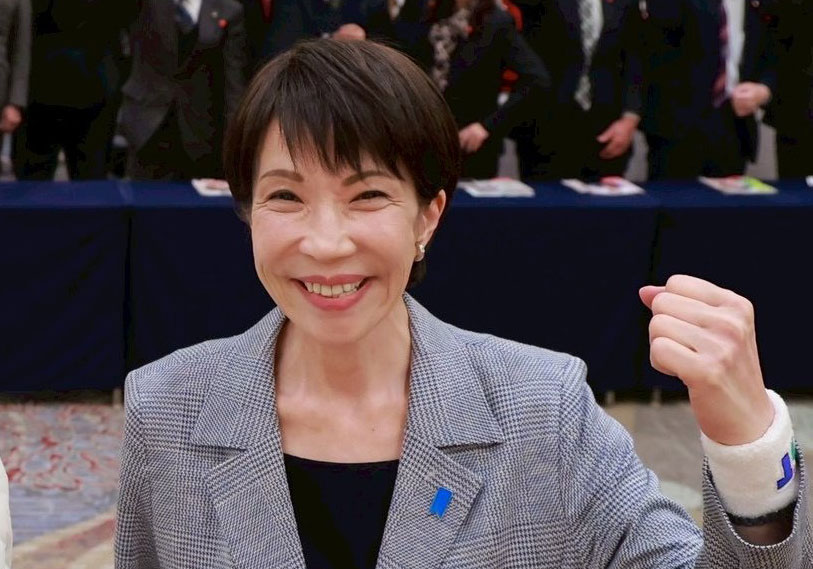
Japanese Prime Minister Sanae Takaichi led her Liberal Democratic Party (LDP) to a resounding victory in Sunday’s snap general election, capturing a supermajority in the lower house of parliament, marking the party’s strongest performance in postwar history.
The results, announced early Monday, solidify Ms. Takaichi’s mandate to advance a bold conservative agenda amid rising regional tensions and economic challenges.
According to tallies from public broadcaster NHK, the LDP secured 316 out of 465 seats in the House of Representatives, far exceeding the 233 needed for a simple majority and surpassing the two-thirds threshold required for a supermajority. This achievement eclipses the party’s previous record of 300 seats set in 1986 under former Prime Minister Yasuhiro Nakasone, representing the LDP’s best showing since its founding in 1955.
The victory was bolstered by the LDP’s new coalition partner, the Japan Innovation Party (JIP), which added 36 seats to the tally, bringing the ruling bloc’s total to 352. This commanding position allows Ms. Takaichi’s government to control all standing committee chairmanships and override potential opposition in the upper house, where the LDP holds a minority.
Opposition parties suffered significant setbacks. The newly formed Centrist Reform Alliance (CRA), a merger of the Constitutional Democratic Party (CDP) and the LDP’s former ally Komeito, managed only 49 seats, a sharp decline that highlights the fragmented state of anti-LDP forces. The Democratic Party for the People (DPFP) held steady with 28 seats, while the far-right Sanseito party matched its recent upper house gains by securing 15 seats.
Takaichi, Japan’s first female prime minister and a self-described admirer of Britain’s Margaret Thatcher, called the snap election to capitalize on her rising popularity and address pressing issues like national security and economic reform. Her campaign emphasized tax cuts to stimulate growth – measures that have already jittered financial markets, and increased military spending to counter perceived threats from China.
The win paves the way for legislative pushes on immigration, social policies, and enhanced defense capabilities.
Financial markets reacted positively, with Japanese stocks surging to record highs on Monday as investors welcomed the stability and policy clarity offered by the landslide.
Analysts suggest the results could be a reflection of voter fatigue with opposition disunity and a return of conservative supporters to the LDP fold, despite lingering memories of past funding scandals.
In a post-election address, Ms. Takaichi expressed gratitude to voters and pledged to use the mandate responsibly. ‘This victory is a clear signal from the people that they trust our vision for a stronger, more secure Japan,’ she said, according to NHK reports.
Experts view the outcome as a ‘surprising result’ given the LDP’s recent challenges, attributing it to Ms. Takaichi’s personal appeal and strategic coalition-building. With this overwhelming support, Ms. Takaichi now faces the task of translating electoral success into tangible policy achievements, potentially reshaping Japan’s domestic and international trajectory for years to come.
The election, held amid light snowfall in some regions that may have affected turnout, also underscores a shift toward consolidated conservative power in one of Asia’s key democracies. As Sanae Takaichi begins forming her new cabinet, the world will watch closely to see how her ‘Iron Lady’ approach influences Japan’s role on the global stage while she tackles domestic issues.