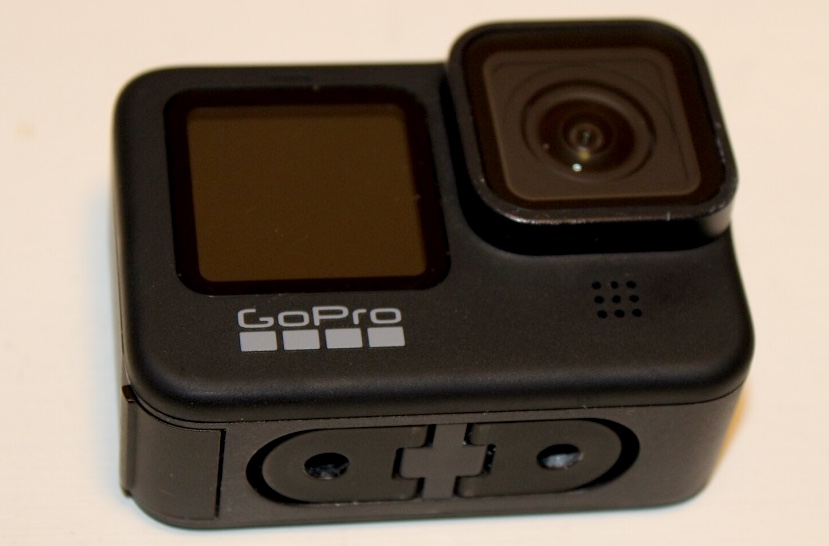
The National Investigation Agency (NIA) has obtained permission from a special court to request formal judicial assistance from China. The move centres on a GoPro Hero 12 Black camera believed to have been used by attackers for reconnaissance ahead of the assault that claimed 26 lives.
The April 22, 2025, attack in the scenic tourist spot in south Kashmir’s Anantnag district saw terrorists open fire, killing 25 visitors, including a Nepali national and a local pony operator. The Resistance Front, widely viewed as a front for the Pakistan-based Lashkar-e-Taiba, claimed responsibility.
The three assailants, identified as Suleiman Shah, Hamza Afghani (alias Afghan), and Jibran, were later neutralised by security forces in an encounter in the Dachigam forest on July 28, 2025.
Investigators recovered the GoPro camera (serial number C3501325471706) among the electronic devices seized during the case. NIA officials say the device holds vital clues about pre-attack planning, including movement patterns and operational preparation by the terror module.
After issuing a formal notice to the manufacturer, GoPro B.V. in the Netherlands, the agency learned that the camera was supplied to AE Group International Limited, a distributor in China, and was first activated on January 30, 2024, in Dongguan. The Dutch company confirmed it holds no records of downstream sales or end-users, placing the commercial trail and activation data squarely within the Chinese jurisdiction.
Following the developments in the investigation, the NIA filed an application before the Special NIA Court in Jammu seeking a Letter Rogatory, a formal judicial request for international cooperation.
On March 2, 2026, the court, acting on the plea submitted by NIA Deputy Inspector General Sandeep Choudhary under Section 112 of the Bharatiya Nagarik Suraksha Sanhita, granted approval. The order noted that details on the purchaser, end-user, and technical records are ‘very important for establishing the chain of custody, user attribution and evidentiary linkage’ to the larger conspiracy.
With no bilateral Mutual Legal Assistance Treaty in place between India and China, the request will proceed under the United Nations Convention against Transnational Organised Crime (UNTOC), which both nations have ratified. The Union Home Ministry has already cleared the proposal, and translated copies will be forwarded through diplomatic channels.
Officials familiar with the investigation described the camera as a ‘crucial electronic device’ that could help reconstruct how the attackers prepared for the strike on the popular meadow, a favourite among tourists for its scenic views.
The development comes at a time when the NIA continues to map the full terror network behind the incident, which briefly escalated tensions between India and Pakistan and prompted retaliatory military action.
The Letter Rogatory is expected to be dispatched shortly, marking a rare instance of direct judicial outreach to China in an Indian terror probe. Success could provide fresh leads on supply chains and possible overseas facilitators, strengthening the case file against handlers still at large.
The NIA has not commented publicly on the next steps, but sources indicate the agency views international cooperation on this evidence as essential to closing critical gaps in the investigation.