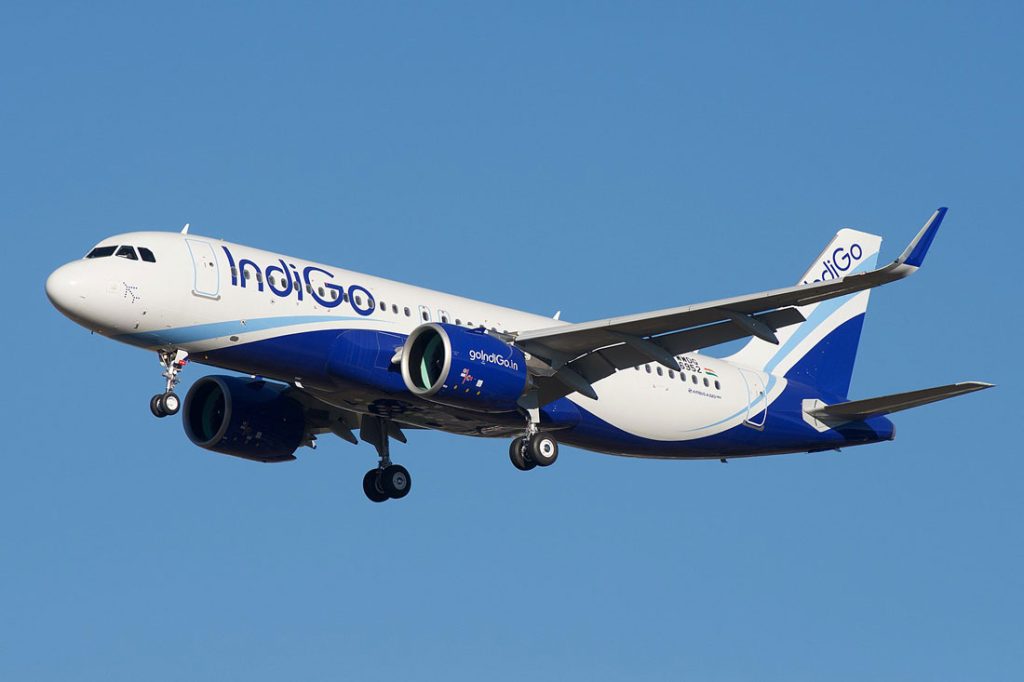
The country’s aviation sector hit turbulence this week as IndiGo, the nation’s dominant airline with a market share exceeding 60%, grappled with widespread flight cancellations and delays that left tens of thousands of passengers in limbo.
What was initially downplayed as operational hiccups is now being attributed to a severe pilot rostering crisis, stemming from inadequate preparation for new regulatory mandates on crew duty hours.
The disruption, peaking on December 4 and 5, 2025, canceled over 2,100 flights and exposed systemic flaws in workforce planning amid surging travel demand.
Chronology of the Chaos
The issue peaked on December 4, when IndiGo announced the cancellation of scores of flights from major hubs likeDelhi and Mumbai. By the next day, the airline had axed all domestic departures from Delhi’s Indira Gandhi International Airport until midnight, citing ‘unforeseen operational challenges.’
Passengers faced interminable waits, with some resorting to social media pleas for alternative bookings or refunds. Viral footage captured scenes of overcrowded terminals, where families juggled luggage and infants while airline staff distributed meager refreshments as stopgap measures.
IndiGo’s recovery timeline remains fluid, with officials projecting a return to some normalcy by December 10.
Regulatory overhaul meets planning shortfalls?
Contrary to early speculations of technical glitches, the root cause traces back to November 1, 2025, when the Directorate General of Civil Aviation (DGCA) enforced Flight Duty Time Limitations (FDTL). These rules, aimed at enhancing pilot safety by curbing fatigue through stricter limits on night duties and extended rest periods, apparently caught IndiGo off guard despite months of advance notice.
With a fleet of over 350 aircraft and aggressive expansion into new routes, IndiGo’s pilot pool, numbering around 6,000, proved insufficient under the revised norms. The changes reduced allowable flying hours, particularly for night operations, creating a domino effect. Fewer pilots were available per shift, leading to cascading cancellations.
The airline admitted to ‘misjudgment and planning gaps’ in rostering, essentially failing to align its pilot schedules with the new constraints.
Aviation experts note that while minor tech issues and winter fog may have compounded the problem, they were secondary to the rostering debacle.
A DGCA probe confirmed no cyber intrusions or major system failures, shifting blame squarely to human resource mismanagement. This isn’t IndiGo’s first brush with crew shortages. Similar woes in 2023 stemmed from post-pandemic hiring lags.
Public outrage prompted swift DGCA intervention, including demands for a comprehensive audit and potential fines.Aviation Minister Ram Mohan Naidu convened an emergency meeting, vowing stricter oversight on compliance readiness.
IndiGo, in response, has petitioned for interim exemptions to FDTL rules, and the government has put the rule on hold for now.
From passenger plight to economic ripples
The human cost was palpable. Business travelers missed critical meetings, families deferred reunions, and medical emergencies risked delays.
Economically, the airline faces a hit of up to ₹200 crore ($24 million) in lost revenue, refunds, and penalties, while the ripple effect disrupted logistics, with cargo shipments for e-commerce giants piling up. The company’s shares declined sharply on the stock exchanges.
Rebuilding trust and resilience
The crisis serves as a cautionary tale for India’s booming aviation market, projected to handle 300 million passengers annually by 2030. For IndiGo, remediation involves ramping up pilot recruitment, targeting 1,000 new hires in 2026.
As operations stabilize, passengers are advised to monitor updates via the airline’s app and consider flexible bookings. Ultimately, while IndiGo’s dominance fuels affordable travel, this episode showed that skimping on foresight can ground even the mightiest fleets.
Meanwhile, rival carriers like Air India and Vistara absorbed some overflow, but the sheer volume (IndiGo operates around 2,000 daily flights) is said to have overwhelmed the system, leading to secondary delays industry-wide.