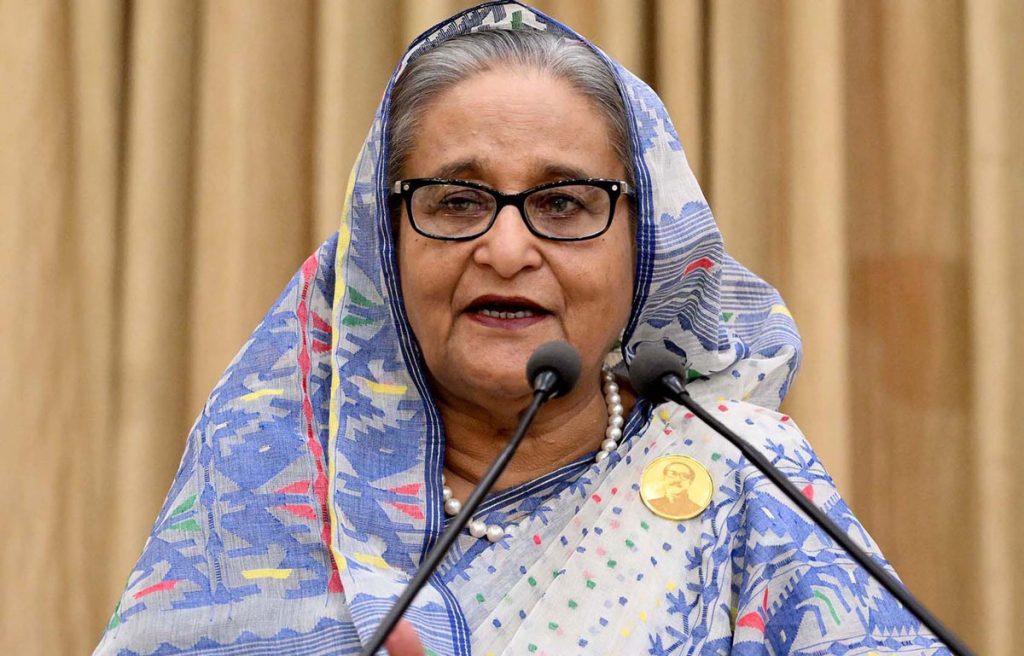
In a seismic ruling that has electrified Bangladesh’s streets and strained diplomatic ties across South Asia, the International Crimes Tribunal in Dhaka convicted former Prime Minister Sheikh Hasina of crimes against humanity on Monday, imposing the maximum penalty of death.
The 78-year-old leader, who ruled the nation for 15 years before her dramatic fall from power, was tried and sentenced in absentia, marking a stark reversal for the woman once hailed as the architect of Bangladesh’s economic renaissance. The tribunal’s three-judge panel deliberated for months before delivering the verdict in a fortified courtroom ringed by security forces.
Ms. Hasina was found responsible for orchestrating a brutal response to a student-led uprising in July and August 2024, which spiraled into one of the deadliest episodes of civil unrest in the country’s post-independence history. Official records from the interim government’s health ministry tally over 800 fatalities and approximately 14,000 injuries, many inflicted by police and paramilitary units under Hasina’s command.
Witnesses, including grieving families and defected officers, testified to extrajudicial executions, indiscriminate shootings into crowds, and the deliberate targeting of unarmed demonstrators demanding an end to job quotas and government corruption. ‘This is not justice for the ghosts of those lost months,’ declared tribunal chief Justice Rezaul Hasan as he read the judgment, his voice steady amid the hum of broadcast cameras.
Alongside Hasina, her former interior minister, Asaduzzaman Khan Kamal, received an identical sentence for his role in deploying the forces. A third defendant, ex-police chief Mohammad Iqbal, escaped the gallows with a five-year term after turning state’s evidence and admitting his complicity.
The case stems from the 2024 protests, which began as a youth-driven push against a controversial civil service quota system favoring descendants of 1971 war veterans, a policy seen as favoring Awami League loyalists. What unfolded was a nationwide inferno – university campuses became battlegrounds, internet blackouts silenced dissent, and security forces unleashed a torrent of live ammunition. The violence peaked on August 5, 2024, when Ms. Hasina fled Dhaka by helicopter to India, where she has remained under protection. Her abrupt exit triggered the collapse of her government, paving the way for Nobel laureate Muhammad Yunus to lead an interim administration bent on reforms ahead of the February 2026 elections.
Ms. Hasina’s defenders, including her son Sajeeb Wazed in exile, decried the proceedings as a ‘witch hunt’ orchestrated by political rivals. ‘This tribunal, born under her watch in 2010 to prosecute 1971 war crimes, now devours its creator,’ Mr. Wazed posted on social media hours before the ruling. He warned of potential ‘bloodshed’ if the Awami League, Bangladesh’s largest party, remains barred from the polls, a stance Mr. Yunus has upheld to prevent a return to ‘dynastic rule.’
Protests erupted almost immediately after the announcement. In Dhaka’s Shahbagh square, hundreds gathered outside the Mujibnagar Memorial, a museum honoring Hasina’s father, independence leader Sheikh Mujibur Rahman, demanding its demolition as a symbol of ‘oppressive legacy.’ Clashes with police ensued, with sound grenades and baton charges scattering the crowds, though no deaths were reported. In Chittagong and Sylhet, smaller rallies calledfor swift extradition, waving placards that read ‘No Sanctuary for Tyrants.’
Bangladesh’s Foreign Ministry wasted no time in issuing a formal extradition request to India for Hasina and Kamal, emphasizing the need for ‘universal justice.’ New Delhi’s response was measured but noncommittal, as a Foreign Ministry statement ‘noted’ the outcome and reaffirmed India’s stake in Bangladesh’s ‘peace and stability,’ without addressing handover demands.