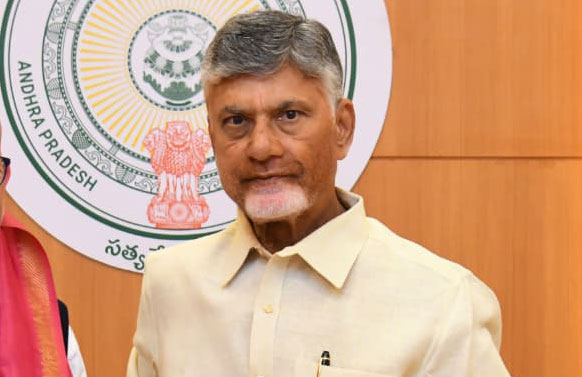
The Andhra Pradesh government under Chief Minister Chandrababu Naidu has unveiled an ambitious plan to roll out smart family cards for more than 1.4 crore households across the state by June next year.
The initiative promises to consolidate essential citizen data into a single, secure platform, making welfare schemes more accessible and efficient.
The smart cards, managed through RTGS (Real Time Governance Society), will feature embedded QR codes and serve as an all-in-one identity tool, integrating static and dynamic information such as Aadhaar details, vaccination records, caste certificates, ration entitlements, nutritional profiles, and even health metrics.
Officials described the cards as a ‘game-changer’ for civic administration, enabling real-time updates and seamless verification to curb leakages in subsidy distribution and expedite service delivery.
During a review meeting, CM Chandrababu directed departments to accelerate data collation and technical preparations, emphasizing the need for comprehensive coverage without exclusions.
The rollout builds on earlier successes like the state’s high eKYC compliance for ration cards, which reached 96.5% earlier this year. Unlike traditional family identity cards, the new version incorporates advanced features for tracking dynamic elements, such as employment status and educational progress, potentially linking to emerging schemes under a proposed population policy that prioritizes joint families.
Implementation will occur in phases, starting with pilot distributions in urban clusters before scaling statewide. The government has allocated resources for public awareness campaigns to ensure smooth adoption, with application processes streamlined via the vswsonline.ap.gov.in portal.
According to the sources, the cards could reduce administrative bottlenecks by up to 40%, drawing from similar digital ID pilots in other states. While challenges like data privacy and rural connectivity remain, proponents argue the benefits, from faster pension disbursements to targeted health interventions, outweigh them.