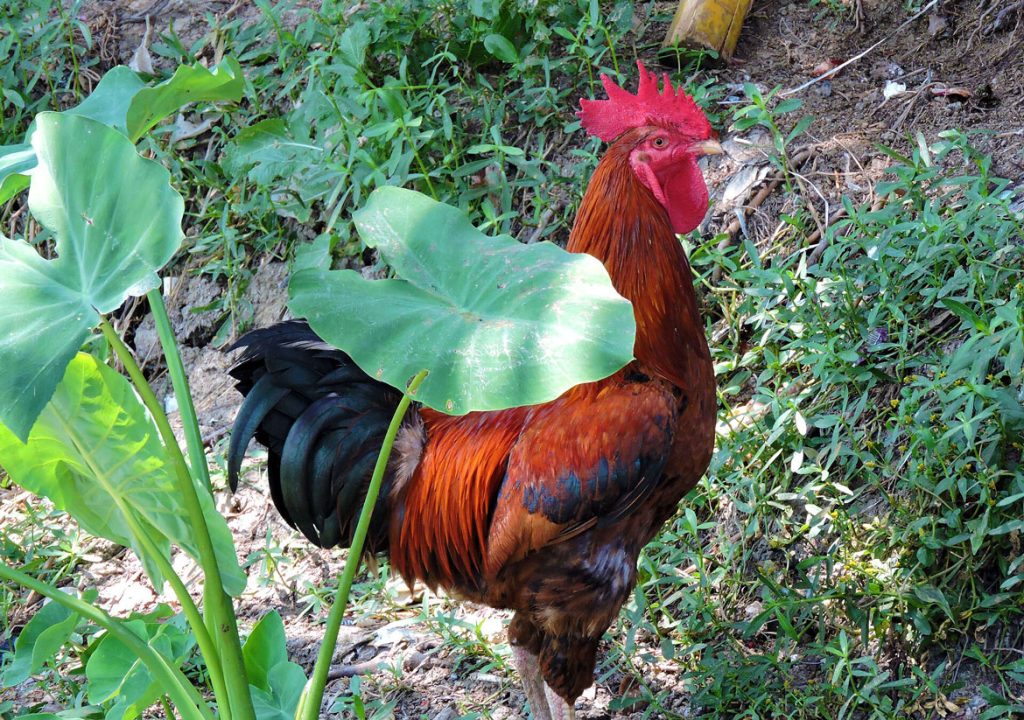
Andhra Pradesh is intensifying efforts to combat a confirmed outbreak of highly pathogenic H5N1 avian influenza, with recent cases located at rural poultry farms in the southern districts.
The virus, which has led to significant poultry mortality since early January, has prompted widespread culling operations, surveillance enhancements, and economic shifts as consumer fears have driven down demand for chicken.
The latest confirmation came on February 8 from the National Institute of High Security Animal Diseases (NIHSAD) in Bhopal, identifying the virus in samples from Ammagaripalli and Puttavaripalli villages in Sodam mandal of Annamayya district.
Initial reports indicated around 40 country chickens succumbing on February 7, followed by approximately 50 more the next day, triggering immediate alerts. However, the toll in Sodam mandal alone has escalated to nearly 28,000 chickens, with revenue officials seizing three farms amid containment drives.
The outbreak extends beyond Annamayya district, with precautionary measures rolled out in neighboring Chittoor district after unexplained bird deaths in Karvetinagaram mandal.
Broader impacts were evident in eastern regions like East Godavari, Eluru, and West Godavari, where the virus has claimed around 540,000 birds, primarily egg-layers, since January 13. In East Godavari’s Kanuru area, over 75% of birds and eggs have been culled and buried, leading to the closure of local chicken shops.
Animal Husbandry Minister Kinjarapu Atchannaidu emphasized that the government is on high alert, deploying 721 Rapid Response Teams (RRTs) for culling and disinfection under strict Standard Operating Procedures. A 10-kilometer surveillance zone surrounds affected sites, with border checks monitoring poultry transport. Culling orders have targeted nearly 200,000 chickens across multiple districts, with operations completed in at least two Annamayya farms by February 9.
Health officials are screening residents, and farmers are urged to report anomalies promptly. Neighboring Telangana has banned poultry imports from Andhra Pradesh, establishing 24 checkpoints to curb potential spread.
Economically, the crisis has slashed chicken prices by nearly 40% to about Rs. 170 per kilogram, as sales plummet amid public apprehension. This has spurred a surge in seafood consumption, with prices for staples like rohu fish rising 47% to Rs. 250 per kilogram and prawns jumping 50% to Rs. 450 per kilogram in just a week. Markets in cities like Vijayawada are seeing unprecedented crowds and shortages.
Authorities, including Director of Animal Husbandry Damodara Naidu, who inspected the affected sites on February 9, assured that properly cooked poultry poses no risk to humans.
Pending lab results from additional samples could influence further actions, but officials stress biosecurity adherence to prevent escalation in one of India’s top poultry-producing states.