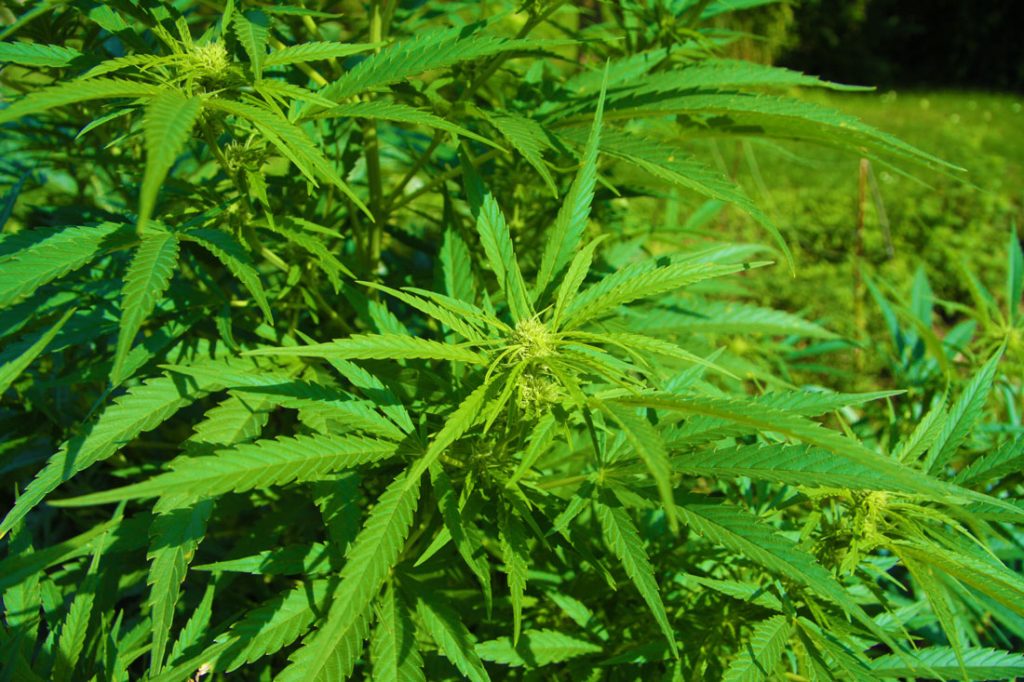
India occupies a distinctive place in the global conversation on cannabis. While dozens of US states have moved toward recreational or medical legalization of marijuana, and while traditional preparations such as bhang continue to be sold under state regulation in parts of India, the flowering tops (ganja) and resin (charas) of the cannabis plant remain strictly prohibited nationwide.
This selective prohibition is a product of cultural continuity, colonial-era regulation, international treaty pressure, and a carefully drafted domestic statute that treats different parts of the same plant under different legal regimes.
Historical Continuity and Colonial Ambivalence
Cannabis has deep roots in the Indian subcontinent. References appear in ancient texts, including the Atharvaveda, where the plant is listed among sacred herbs. It has long been associated with religious practices, particularly those linked to Lord Shiva, and with traditional medicine and folk use.
Preparations made from the leaves, most commonly bhang, are consumed during festivals such as Holi and Maha Shivaratri and form a part of everyday life in many regions.
Ganja wasn’t always banned
Under British rule, authorities taxed and regulated cannabis rather than prohibiting it outright. The Indian Hemp Drugs Commission of 1893–94 examined cultivation, trade, and social effects extensively. Its conclusions were measured. Moderate use did not appear to cause significant harm, and wholesale prohibition was deemed unnecessary and potentially disruptive. The colonial system therefore relied on licensing, taxation, and control of sales rather than a blanket ban. This pragmatic approach persisted after independence. Government-authorized sales of ganja and other preparations continued in various states for decades. The decisive shift came in the mid-1980s.
The NDPS Act of 1985 and International Pressure
The Narcotic Drugs and Psychotropic Substances Act, 1985, transformed the legal landscape. It criminalized the production, possession, sale, transport, and use of defined cannabis products across India.
The timing reflected international dynamics. India had signed the 1961 Single Convention on Narcotic Drugs but initially sought to protect traditional uses. Sustained diplomatic pressure, particularly from the United States during the global ‘war on drugs,’ contributed to the eventual enactment of comprehensive domestic legislation under the Rajiv Gandhi government. Crucially, the statute does not ban the entire plant. Section 2(iii) defines ‘cannabis (hemp)’ to include:
- Charas: the separated resin in any form, including concentrated preparations such as hashish oil
- Ganja: the flowering or fruiting tops of the cannabis plant (expressly excluding seeds and leaves when not accompanied by the tops)
- Any mixture of the above or drinks prepared from them.
Leaves and seeds, when isolated from the flowering tops, fall outside this definition. Cultivation of the cannabis plant itself is generally prohibited unless authorized for medical, scientific, industrial, or horticultural purposes.
Penalties are quantity-based. Small quantities of ganja (up to 1 kg) or charas (up to 100 g) can attract up to one year of imprisonment and/or a fine. Intermediate quantities carry heavier sentences, and commercial quantities (20 kg of ganja or 1 kg of charas) can lead to 10–20 years of rigorous imprisonment plus substantial fines. Bail is restricted in many cases under Section 37.
The Bhang Exception and Federal Variation
Because bhang is prepared primarily from the leaves, it is not classified as a narcotic under the central NDPS Act. Regulation therefore passes to the states under residual powers and specific provisions that allow state governments to control intoxicating substances. The result is a patchwork.
In states such as Rajasthan, Uttar Pradesh, Madhya Pradesh, and others, licensed shops sell bhang under excise department oversight, often peaking around religious festivals. Gujarat removed bhang from its list of prohibited intoxicants in 2017, citing cultural and religious sentiment. High courts, including those in Punjab and Haryana, Karnataka, and more recently Jharkhand, have repeatedly affirmed that pure bhang does not attract NDPS penalties.
Other states take a stricter line. Assam’s Ganja and Bhang Prohibition Act of 1958 (and subsequent measures) restricts or bans both. Maharashtra treats certain preparations as intoxicating drugs under older prohibition legislation. Enforcement intensity also varies, and travelers crossing state lines can face complications even with leaf-based products.
This distinction creates practical and conceptual tensions. Growing a cannabis plant is illegal regardless of whether flowering tops have formed, as courts have clarified. Yet purchasing a leaf-based preparation from a licensed shop in a permissive state is lawful. The same botanical source thus generates sharply different legal consequences depending on plant part, preparation method, and geography.
US allows Ganja now, so why would its earlier pressure on India remain?
The Indian framework reveals several layers of tension.
First, cultural continuity collides with international treaty obligations. The carve-out for leaves preserved a traditional, religiously significant use while satisfying demands for control over higher-THC forms.
Second, federalism produces inconsistency: central law sets a hard floor for ganja and charas, while states experiment with or restrict the leaf exception.
Third, enforcement patterns often fall more heavily on poorer and marginalized users, even as elite or festive consumption of bhang attracts less scrutiny.
Recent judicial developments signal possible evolution. The Delhi High Court has directed the Union government to consult stakeholders on whether NDPS provisions relating to cannabis require relaxation for medical, scientific, or other purposes. Several states have authorized limited industrial hemp cultivation (low-THC varieties) for fiber and seed, and regulated medical preparations derived from leaves exist under Ayurvedic frameworks. These openings remain narrow and do not extend to recreational ganja or charas.
Comparisons with the United States highlight different trajectories. American state-level legalization often rests on federal non-enforcement, ballot initiatives, and shifting public opinion around personal liberty and tax revenue. India’s approach prioritizes continuity with cultural practice for one form of the plant while maintaining stringent controls elsewhere, shaped more by treaty compliance and administrative caution than by widespread popular demand for broad legalization. The net effect is a selective ban that is neither total prohibition nor a free market.