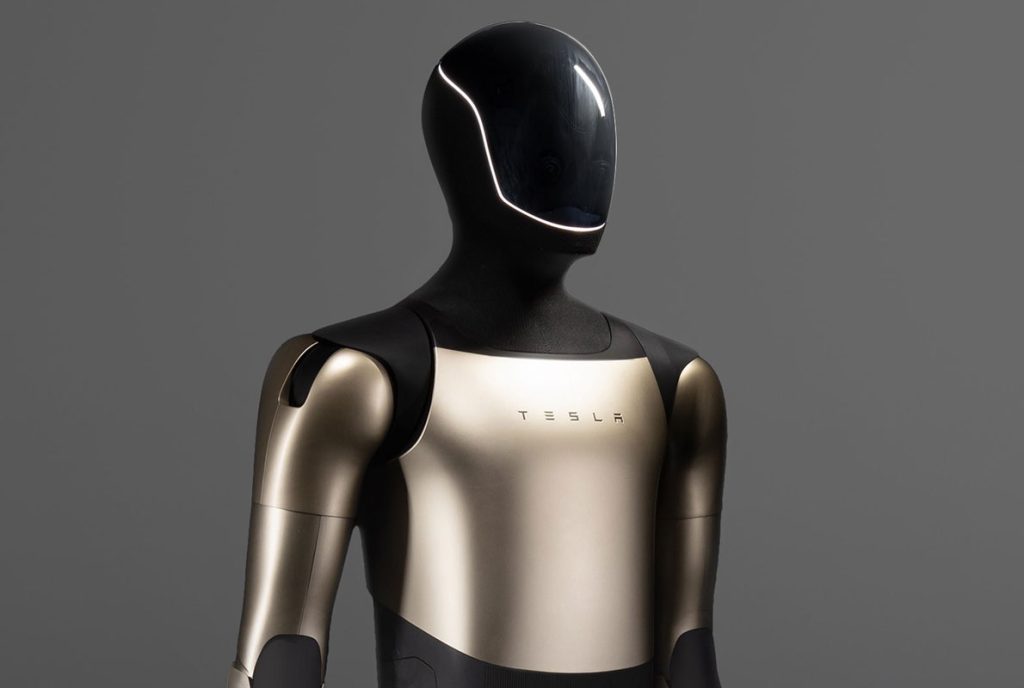
Tesla is accelerating its shift from electric vehicles to advanced robotics, with the Optimus humanoid robot taking center state in the company’s ambitious 2026 roadmap. As CEO Elon Musk doubles down on artificial intelligence and autonomy, Tesla is reallocating manufacturing resources to prioritize Optimus production, signaling a transformative era for the automaker turned tech giant.
The move comes amid growing investor interest in humanoid robots, which Mr. Musk envisions as key to boosting economic productivity and exploring beyond Earth.
The third generation of Optimus, dubbed Gen 3, is designed specifically for mass production and real-world deployment at Tesla’s facilities. Elon Musk has confirmed that this iteration will feature at least four major upgrades, with an announcement expected later this month. Unlike previous prototypes, Gen 3 aims to perform simple repetitive tasks autonomously, potentially reaching human-level proficiency by the end of 2026.
Tesla plans to begin production by year-end, targeting an annual output of 1 million units at its California factory. This aggressive timeline underscores Elon Musk’s belief that Optimus represents Tesla’s future, far surpassing the impact of its vehicle lineup.
To fuel this robotics push, Tesla is committing $20 billion in capital expenditures for 2026, more than double the previous year’s amount. The funds will support AI infrastructure, robotaxi fleets, and Optimus development, including the construction of a ‘TeraFab’ for in-house chip manufacturing to avoid supply bottlenecks.
In a bold reallocation, Tesla has ended production of its Model S and Model X vehicles in California, freeing up capacity for humanoid robots. This pivot reframes Tesla as a broader technology and energy company, integrating robotics with autonomous driving and even massive solar build-outs.
Mr. Musk has reiterated Optimus’s sci-fi-inspired potential, suggesting it could evolve into self-replicating systems capable of off-world operations, reminiscent of Von Neumann probes. He said that these robots will significantly enhance US GDP by creating ‘amazing abundance,’ though skeptics remain.
Betting markets like Kalshi assign only a 21% probability to Optimus being available for sale this year, citing Musk’s history of optimistic timelines—often dubbed ‘Elon Time.’
Analysts are divided. Some hail the robotics focus as a path to 40% stock upside, viewing Optimus as a software-led growth engine. Others caution that the transition could strain resources, especially as Tesla competes with rivals like Hyundai in the humanoid space.
Customer reactions to the Model S demise have been mixed, with enthusiasts mourning the loss of the halo sedan while tech optimists embrace the robot era. As Tesla expands its Silicon Valley manufacturing hub for Optimus, the coming months will test whether this vision materializes into reality. With deployments planned for factory work and potential consumer availability next year, Optimus could redefine labor, exploration, and Tesla’s role in the global economy. Investors and observers alike will watch closely as the robot revolution unfolds.