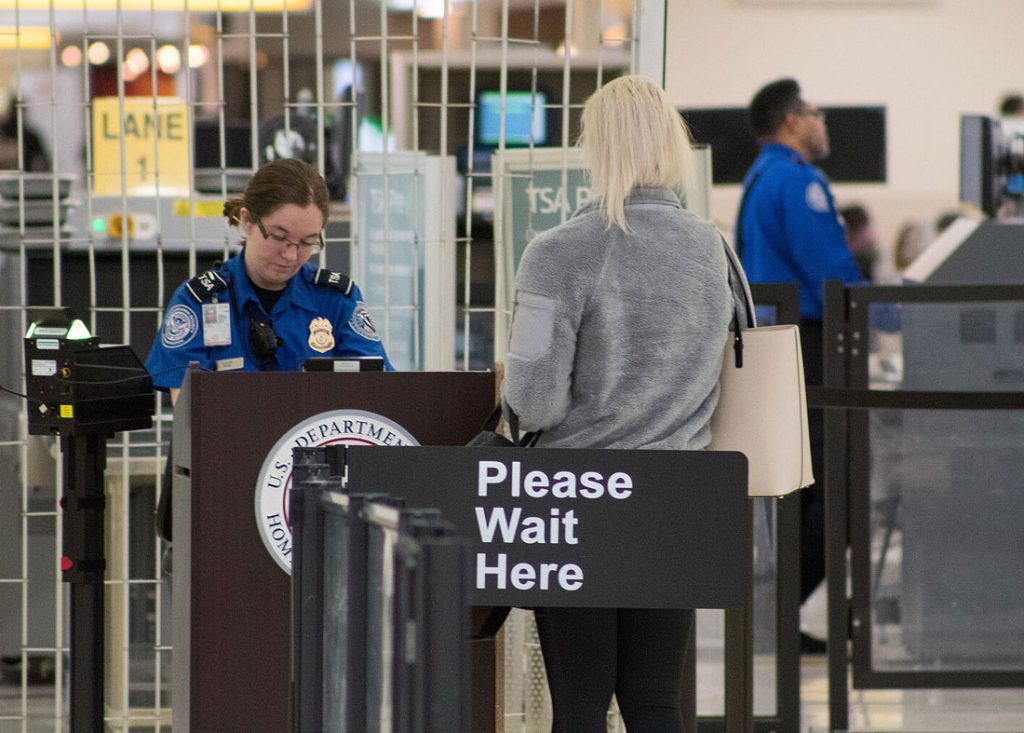
The Trump administration has broadened its travel restrictions on citizens from dozens of countries, building on measures introduced earlier this year to address ongoing national security and immigration enforcement challenges.
President Donald Trump signed a presidential proclamation on December 16, 2025, restricting entry into the United States for nationals of multiple nations. The updated policy, set to take effect on January 1, 2026, reflects a comprehensive review of global vetting capabilities, visa overstay rates, and cooperation with US authorities on repatriation and information sharing.
The proclamation maintains and extends restrictions initially restored in June 2025, adding new countries based on deficiencies in identity verification, high risks of terrorism or criminal activity, and inadequate governmental controls that hinder proper screening.
Countries facing full entry suspension
Under the expanded rules, nationals from 19 countries will face a complete suspension of entry as immigrants and nonimmigrants (with limited exceptions):
- Afghanistan
- Burkina Faso (newly added)
- Burma (Myanmar)
- Chad
- Republic of the Congo
- Equatorial Guinea
- Eritrea
- Haiti
- Iran
- Laos (elevated from partial restrictions)
- Libya
- Mali (newly added)
- Niger (newly added)
- Sierra Leone (elevated from partial restrictions)
- Somalia
- South Sudan (newly added)
- Sudan
- Syria (newly added)
- Yemen
Additionally, individuals holding travel documents issued by the Palestinian Authority will be subject to full restrictionsdue to concerns over vetting reliability in areas with limited governmental control.
Countries facing partial restrictions
Nineteen countries will face partial limitations, primarily suspending immigrant visas and certain nonimmigrant categories such as tourist (B-1/B-2), student (F/M), and exchange visitor (J) visas:
- Angola (newly added)
- Antigua and Barbuda (newly added)
- Benin (newly added)
- Burundi (continued)
- Côte d’Ivoire (newly added)
- Cuba (continued)
- Dominica (newly added)
- Gabon (newly added)
- The Gambia (newly added)
- Malawi (newly added)
- Mauritania (newly added)
- Nigeria (newly added)
- Senegal (newly added)
- Tanzania (newly added)
- Togo (continued)
- Tonga (newly added)
- Venezuela (continued)
- Zambia (newly added)
- Zimbabwe (newly added)
Turkmenistan sees a partial easing, however. The non-immigrant visa restrictions are lifted due to improved cooperation, though immigrant entry remains suspended. Exceptions apply across both categories, including for US lawful permanent residents, those with valid visas issued before the effective date, diplomats, athletes, and cases where entry advances US national interests.
The policy also narrows previous family-based immigrant visa exemptions to curb potential fraud. Administration officials emphasize that the measures aim to protect Americans by ensuring thorough vetting and encouraging foreign governments to enhance data-sharing and immigration compliance. The changes follow consultations with homeland security, state, and justice departments, incorporating recent assessments of global risks.
As January 1 approaches, immigration experts anticipate impacts on travelers, students, and families, while monitoring potential legal challenges similar to those faced by earlier restrictions.