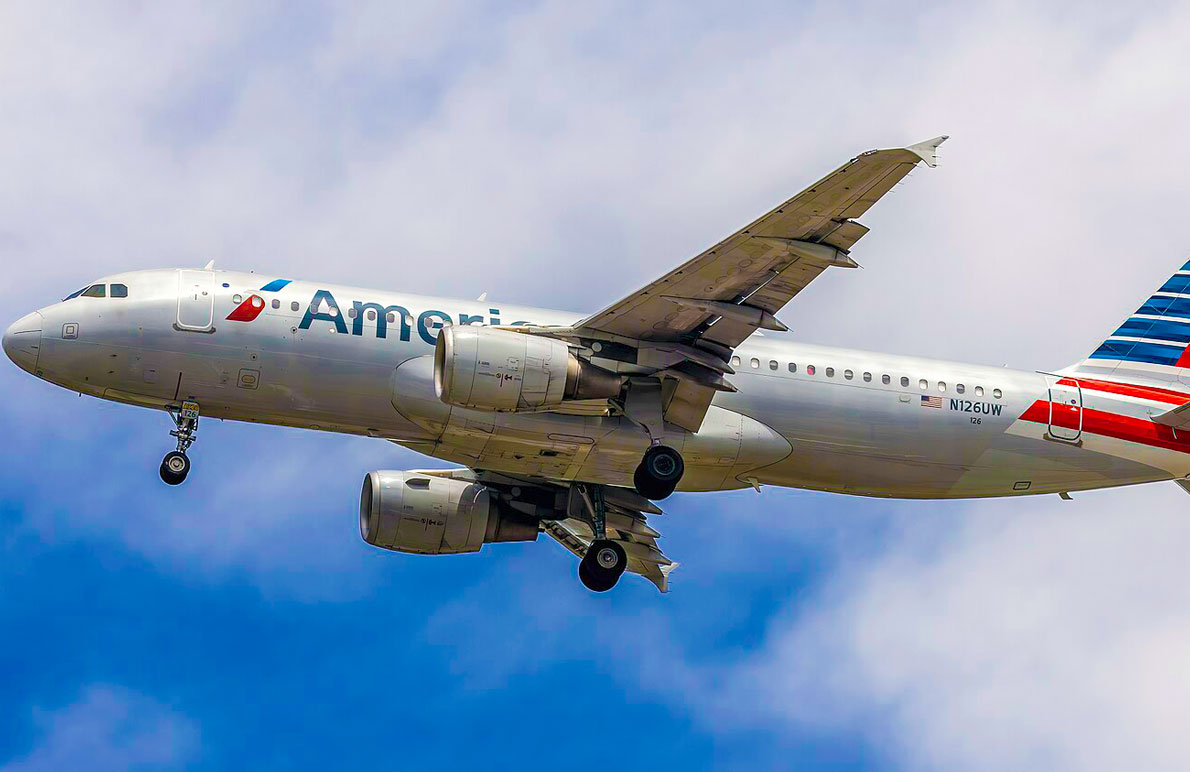
European aircraft giant Airbus has issued an urgent directive for modifications to nearly 6,000 of its popular A320-family jets, citing a vulnerability to solar radiation that could jeopardize flight safety.
The catalyst for this massive recall was a dramatic episode on October 28 involving JetBlue Flight 1230, en route from Cancun, Mexico, to Newark, New Jersey. What began as a routine journey at 35,000 feet turned chaotic when the Airbus A320 suddenly plunged 17,000 feet in under five minutes, injuring three passengers and prompting an emergency landing in Tampa, Florida. Pilots reported a violent, uncommanded nosedive lasting about 30 seconds, during which the aircraft’s fly-by-wire system, the computerized backbone of modern flight controls, appeared to malfunction.
No fatalities occurred, but the event sent shockwaves through the industry, prompting Airbus engineers to dive into an exhaustive review. The investigation revealed a subtle but critical flaw.
Intense bursts of solar and cosmic radiation, often amplified during solar storms, can corrupt data in the aircraft’s flight control computers. These systems, which translate pilot inputs into precise adjustments of the plane’s elevators and other surfaces, rely on redundant processors to ensure reliability. However, under extreme radiation exposure akin to a digital sunburn temporary data glitches could lead to erroneous commands, potentially causing the aircraft to pitch unpredictably or even lose directional control.
‘This is not a widespread failure mode we’ve seen before, but the potential consequences are too severe to ignore,’ Airbus stated in an official Alert Operators Transmission released Friday.
A320-family aircraft, including the A319, A320, and A321 models, dominate the skies as the world’s most-delivered commercial jet, with over 11,300 in active service. Airbus estimates that roughly 6,000 planes are susceptible, affecting operators from low-cost carriers like EasyJet and Wizz Air to major networks such as American Airlines and Air India.
The modifications vary by aircraft age and configuration. Approximately 5,100 newer jets can receive a straightforward software patch, installable in about two hours during routine overnight maintenance. But for around 900 older variants, the fix demands hardware swaps such as replacing vulnerable computer modules entirely, potentially sidelining planes for days or even weeks, depending on parts availability and hangar space.
Airlines are already feeling the pinch. American Airlines, with 340 affected aircraft out of its 480-strong A320 fleet, anticipates ‘operational delays’ but aims to wrap up most updates by Sunday, leveraging its extensive US maintenance network. EasyJet, a heavy A320 user, warned of ‘some disruption’ and pledged direct notifications to passengers, while Wizz Air has slotted in maintenance slots to minimize fallout. Air India echoed concerns over potential delays on international routes, and Australia’s Jetstar reported immediate grounding of select flights, with ripple effects at major hubs like Sydney and Melbourne.
British Airwayss faces minimal impact, with only three planes needing tweaks that can be handled overnight at Heathrow and Gatwick.
The timing couldn’t have been worse, as it clashes with Thanksgiving aftermath and the ramp-up to Christmas travel.
Europe’s Civil Aviation Authority and the US Federal Aviation Administration have coordinated with the European Union Aviation Safety Agency (EASA), which is set to enforce a binding directive today, November 29, mandating that unmodified planes cannot carry passengers after midnight GMT.
Cargo and ferry flights may continue under strict oversight, but passenger operations hinge on compliance. Industry analysts predict up to 10% of short-haul European and transatlantic flights could face delays or cancellations this weekend, exacerbating strains from already backlog-plagued repair shops.