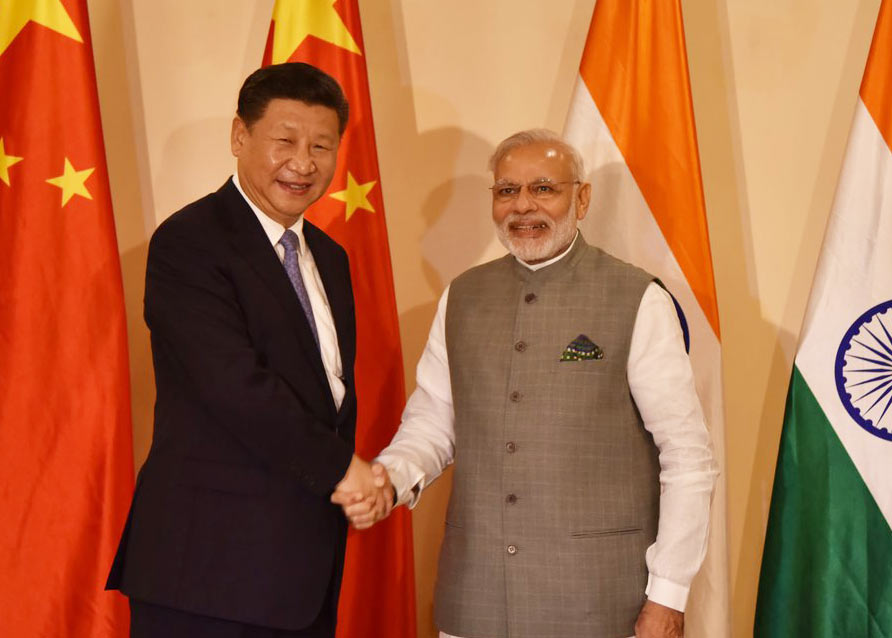
Indian Prime Minister Narendra Modi is set to visit Tianjin, China, from August 31 to September 1, 2025, to attend the Shanghai Cooperation Organisation (SCO) Summit, marking his first trip to China in over seven years and the first since the 2020 Galwan Valley clash that strained bilateral ties.
The visit is poised to be a significant step in the ongoing effort to normalize relations between the two Asian giants, with potential implications for regional stability and global geopolitics.
The SCO summit
The SCO Summit, hosted in Tianjin, will bring together leaders from member states, including China, Russia, India, Pakistan, and others, to discuss regional security, economic cooperation, and counterterrorism.
Mr. Modi’s attendance underscores India’s commitment to the SCO, a platform it joined as a full member in 2017, and reflects its strategy of multi-alignment amid shifting global alliances. Chinese Foreign Ministry spokesperson Guo Jiakun described the summit as a ‘gathering of solidarity, friendship, and fruitful results,’ signaling Beijing’s optimism for constructive dialogue.
PM Modi’s trip follows a period of cautious reconciliation between India and China. Relations hit a low point after the 2020 Galwan Valley clash, which resulted in the deaths of 20 Indian soldiers and at least four Chinese troops, escalating tensions along the Line of Actual Control (LAC). A disengagement agreement finalized on October 21, 2024, allowed both sides to complete troop withdrawals from friction points in Depsang and Demchok, marking a turning point. Since then, confidence-building measures have included resuming the Kailash Mansarovar Yatra, easing visa restrictions for Chinese tourists, and discussions to restore direct flights.
Also, the visit comes amid external pressures, notably from US President Donald Trump’s imposition of a 50% tariff on Indian imports. Analysts suggest that India’s engagement with China and the SCO could serve as a diplomatic counterbalance to US trade pressures, reinforcing India’s strategic autonomy.
However, India’s participation in joint naval drills with the Philippines in the South China Sea, coupled with its support for a 2016 tribunal ruling against China’s maritime claims, highlights lingering tensions.
Potential impact on bilateral relations
PM Modi’s visit offers a platform to build on the progress made during his October 2024 meeting with Chinese President Xi Jinping at the BRICS Summit in Kazan, Russia, where both leaders agreed to revive dialogue mechanisms, including Special Representatives’ talks on the boundary issue. A bilateral meeting with President Xi on the sidelines of the SCO Summit is likely, with discussions expected to focus on:
- Border De-escalation: While disengagement along the LAC is complete, approximately 50,000–60,000 troops remain deployed on both sides. Negotiations for de-escalation and eventual de-induction of forces are ongoing, and Mr. Modi’s visit could accelerate these talks.
- Trade and Economic Ties: India and China are exploring the reopening of border trade points and easing trade restrictions. The resumption of direct flights and increased people-to-people exchanges could further boost economic cooperation, though India remains cautious about trade imbalances.
- Counterterrorism: India has consistently raised concerns about cross-border terrorism, particularly in the context of the SCO. At a June 2025 SCO meeting, India refused to sign a joint statement that omitted mention of the Pahalgam terror attack, which killed 26 people, while referencing Balochistan, a move seen as favoring Pakistan. China’s subsequent condemnation of the attack in July suggests a potential alignment on counterterrorism, which PM Modi may emphasize.
- Regional Dynamics: The presence of Russian President Vladimir Putin at the summit adds a layer of complexity, given India’s strong ties with Russia and China’s strategic partnership with Moscow. PM Modi’s diplomacy could strengthen India’s position within the SCO while navigating tensions with the US over Russia ties.
Broader Implications
The visit signals India’s intent to balance its foreign policy amid a volatile global landscape. By engaging with China, India aims to hedge against US trade pressures while maintaining its strategic autonomy outside Western-led blocs likethe Quad.
However, challenges remain.
China’s support for Pakistan during the May 2025 India-Pakistan conflict, including alleged military assistance, has raised concerns in New Delhi. Additionally, unresolved border issues and differing views on regional security, such as the South China Sea, could limit the scope of reconciliation.