Chinese electric vehicle (EV) titan BYD is poised to transform Telangana into a cornerstone of India’s green mobility revolution, unveiling ambitious plans to establish a sprawling manufacturing complex near Hyderabad.
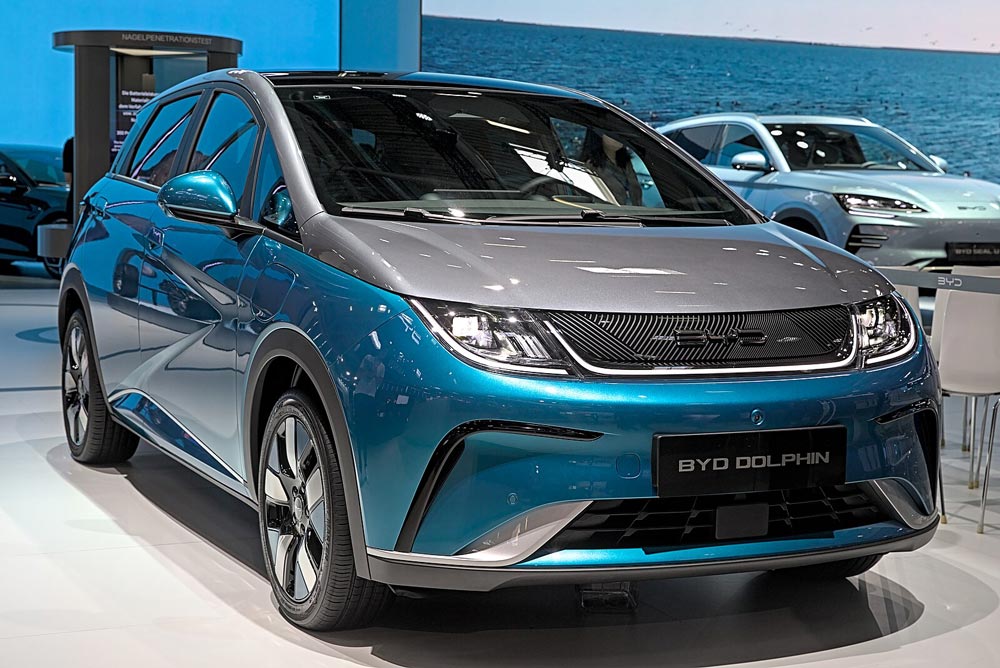
The proposed $10 billion investment, announced this week, aims to produce 600,000 electric vehicles annually by 2032, marking a significant stride in India’s push toward sustainable transportation.
The Telangana government, under Chief Minister Revanth Reddy, has rolled out the red carpet for BYD, offering full support including land allocation and infrastructure assistance. State officials have shortlisted three potential sites on Hyderabad’s outskirts, which BYD representatives are currently assessing. Sources close to the negotiations indicate that a final decision on the location could pave the way for a formal agreement within weeks, positioning Telangana as the first Indian state to host a BYD factory.
A Dual-Purpose Facility
At the heart of the project is a dual-purpose facility: a car assembly plant and a 20-gigawatt-hour (GWh) battery production unit. This integrated approach aims to slash EV costs by localizing production, a critical move for BYD, which has faced steep import duties on its China-made vehicles sold in India.
The company’s existing partnership with Hyderabad-based Olectra Greentech, a producer of electric buses using BYD technology, is seen as a key factor in its decision to anchor operations in Telangana.
BYD’s bold venture comes on the heels of its global ascendancy. In 2024, the company reported revenues of $107 billion, eclipsing Tesla’s $97.7 billion, fueled by robust sales of its Blade battery-equipped EVs and hybrids—4.27 million units delivered worldwide. The Telangana plant is expected to leverage this momentum, introducing cutting-edge innovations like BYD’s recently unveiled Super e-Platform, which promises a 400-kilometer range from a five-minute charge.
The proposal has not been without hurdles. In 2023, India’s central government rejected BYD’s initial $1 billion plan with Olectra’s parent company, Megha Engineering, and Infrastructures Ltd., citing security concerns amid tense Sino-Indian relations post the 2020 Galwan clash.
However, recent policy shifts—softening restrictions on Chinese investments—have cleared the path. Analysts suggest Telangana’s proactive EV policies, including tax exemptions until 2026, tipped the scales in its favor over competing states.
If realized, the 500-acre facility could reshape India’s EV landscape.
Beyond vehicle production, BYD envisions an ecosystem of ancillary industries—think battery recycling and component manufacturing—springing up around Hyderabad. Local leaders tout the potential for thousands of jobs, while industry watchers predict BYD could claim up to 15% of India’s EV market by 2028, challenging domestic giants like Tata Motors.
Not everyone is cheering. Some opposition voices in Telangana question the reliance on a Chinese firm, fearing economic overexposure, while others argue the investment should bolster rural areas rather than urban Hyderabad.